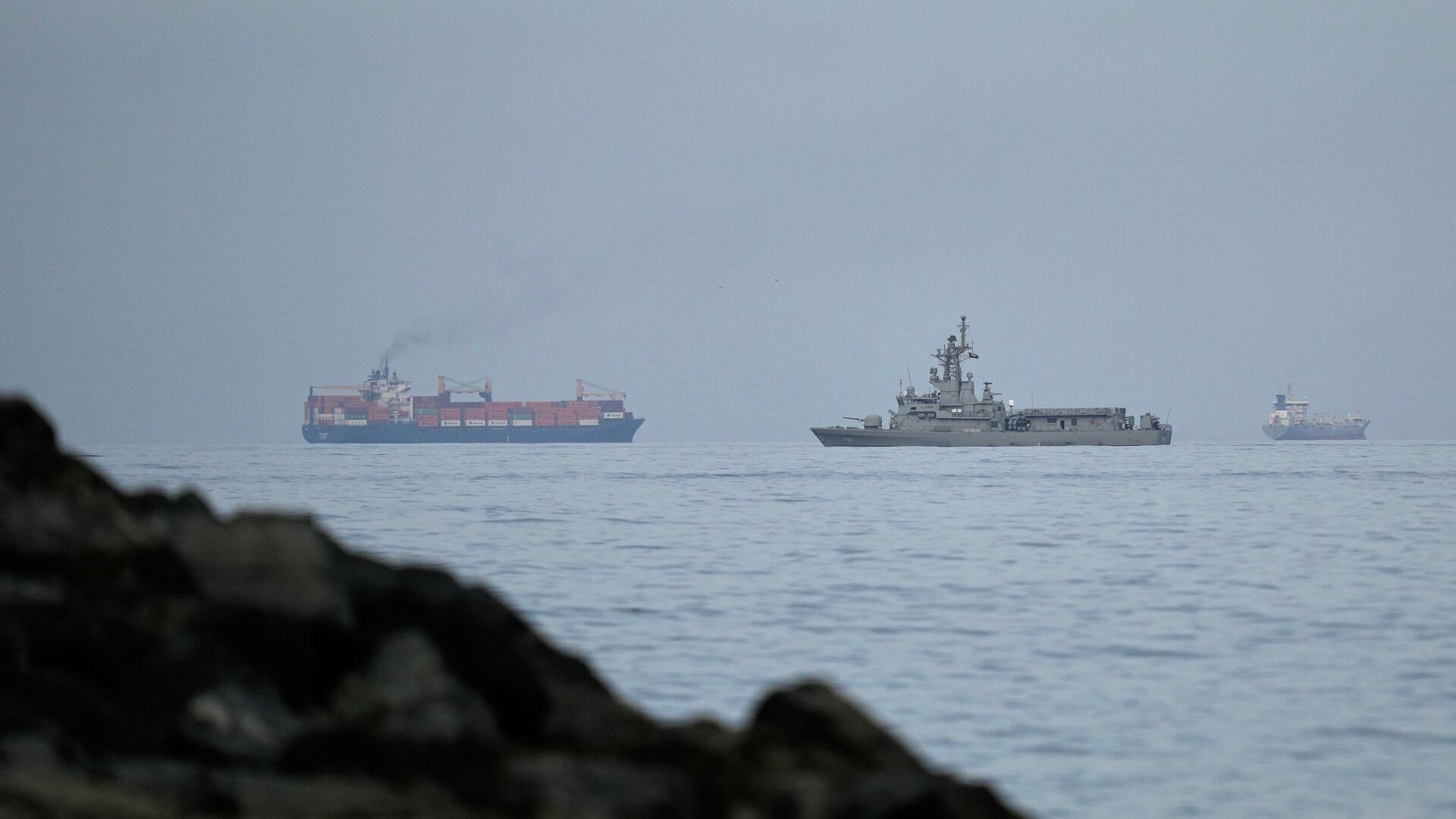

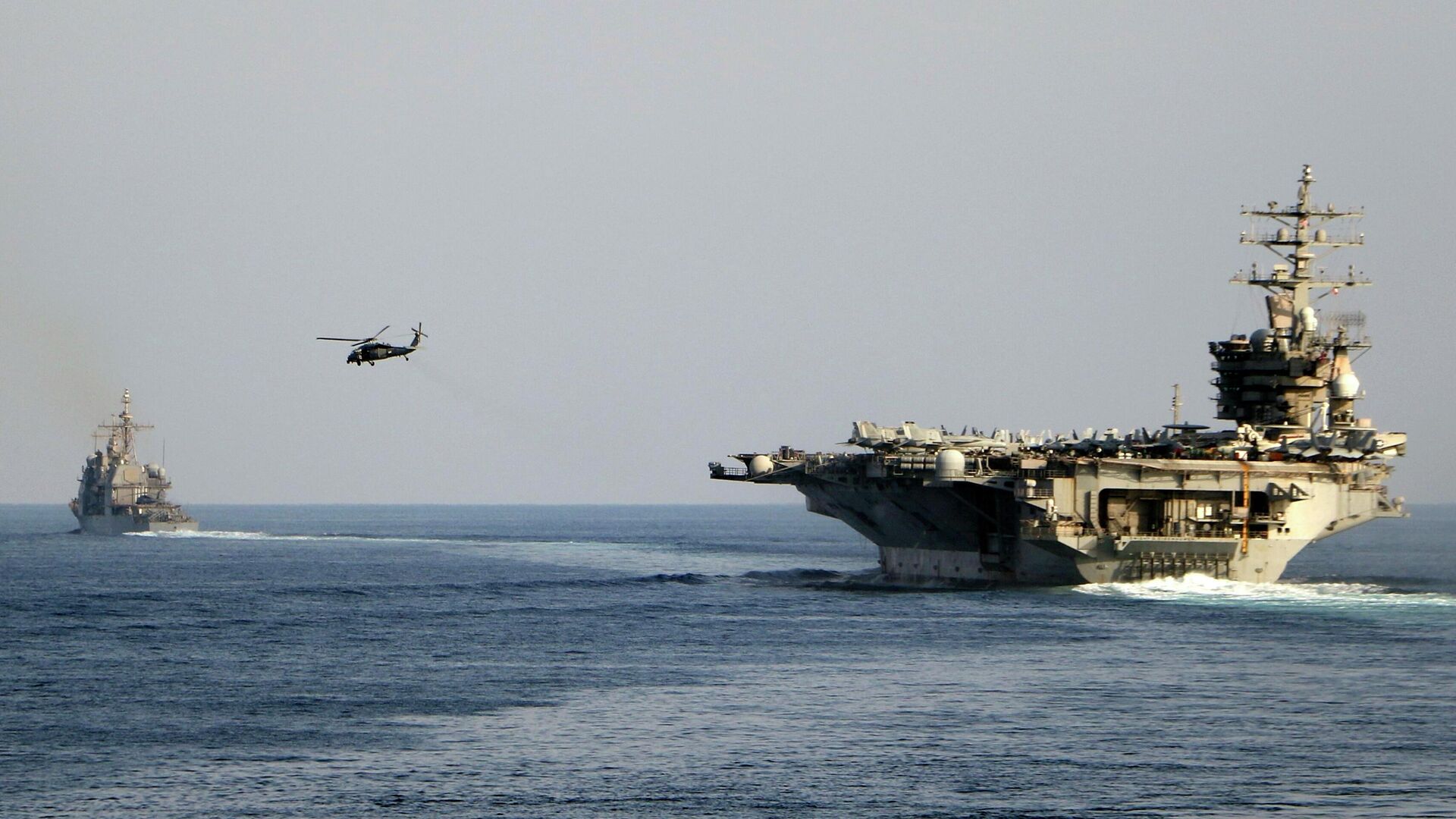
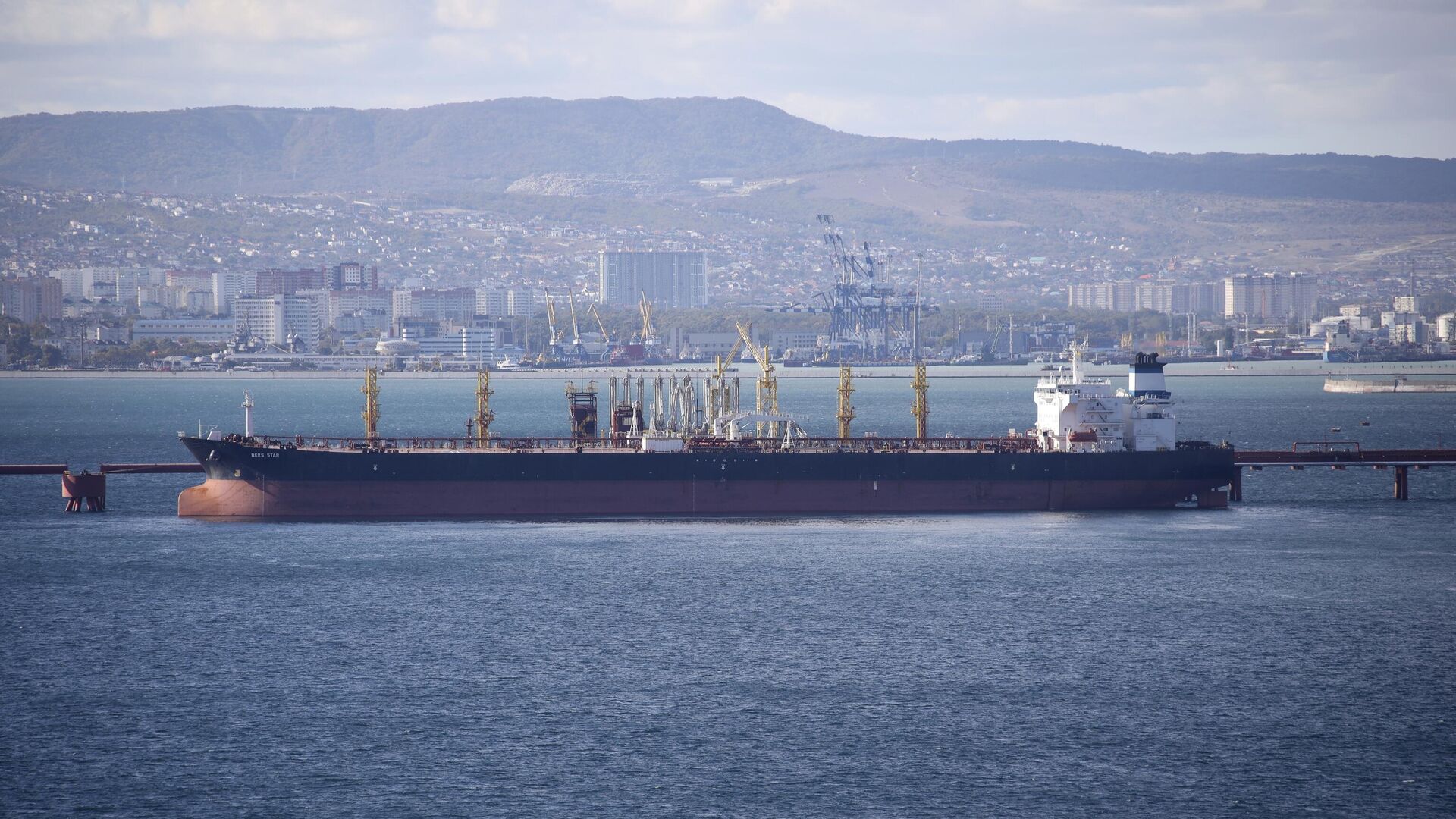
The United States military is preparing to intercept and seize commercial vessels and oil tankers affiliated with Iran in international waters beyond the Middle East theatre, according to a report published on Saturday by The Wall Street Journal, citing serving US officials. The planned operations are expected to be executed within the coming days and represent a significant escalation in Washington’s maritime pressure campaign against Tehran.
The development comes as Iran’s military command announced on Saturday that its armed forces have reasserted full military control over the Strait of Hormuz in direct response to the ongoing US naval blockade. The Strait of Hormuz is one of the world’s most strategically critical maritime chokepoints, responsible for the transit of approximately 20% of global supplies of oil, petroleum products, and liquefied natural gas.
The US Navy initiated its blockade of all maritime traffic entering and exiting Iranian ports on both sides of the Strait on 13 April 2026. Washington has stated that non-Iranian vessels retain the right of free passage through the waterway, provided they do not remit any toll payment to Tehran. Iranian authorities have not formally announced the imposition of such a toll, though discussions regarding the measure have been reported at the governmental level.
The administration of President Donald Trump is pursuing an intensified economic strangulation strategy against the Islamic Republic, with the dual objective of compelling Tehran to reopen the strategic waterway to unrestricted international shipping and to extract concessions on Iran’s nuclear programme. The prospective seizure of Iranian-affiliated tankers in waters far removed from the Persian Gulf would mark a dramatic geographical expansion of this coercive campaign, with potentially severe consequences for global energy markets and international maritime law.
Iran’s reassertion of military control over the Strait, if sustained, places two nuclear-armed-adjacent powers in direct confrontation over one of the arteries upon which the global economy depends. The implications for energy-importing nations across the Global South — from South and Southeast Asia to sub-Saharan Africa and Latin America — are considerable, as any prolonged disruption to Hormuz transit would trigger sharp price shocks in oil and gas markets worldwide.
Find more details at Sputnik International.