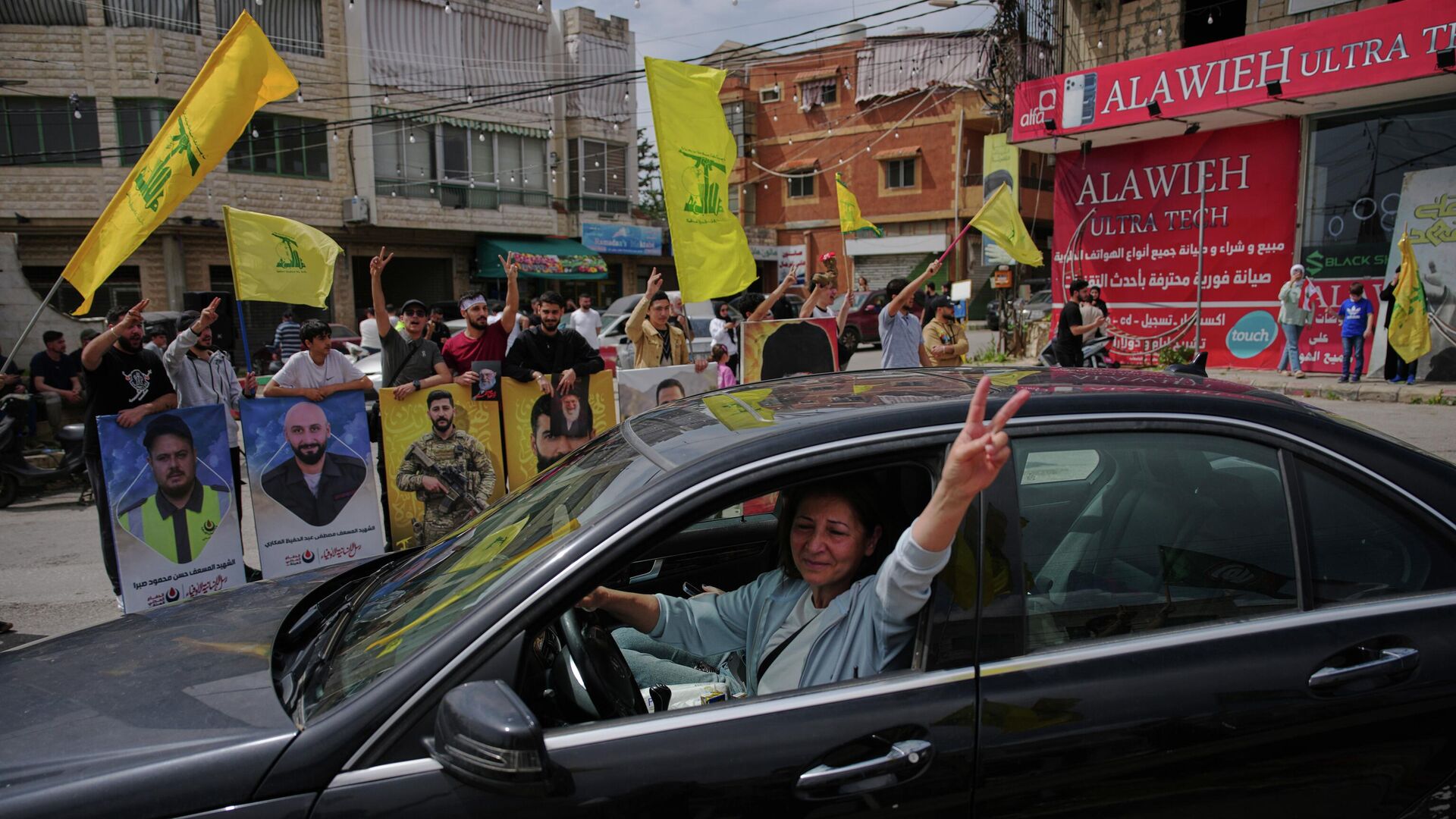
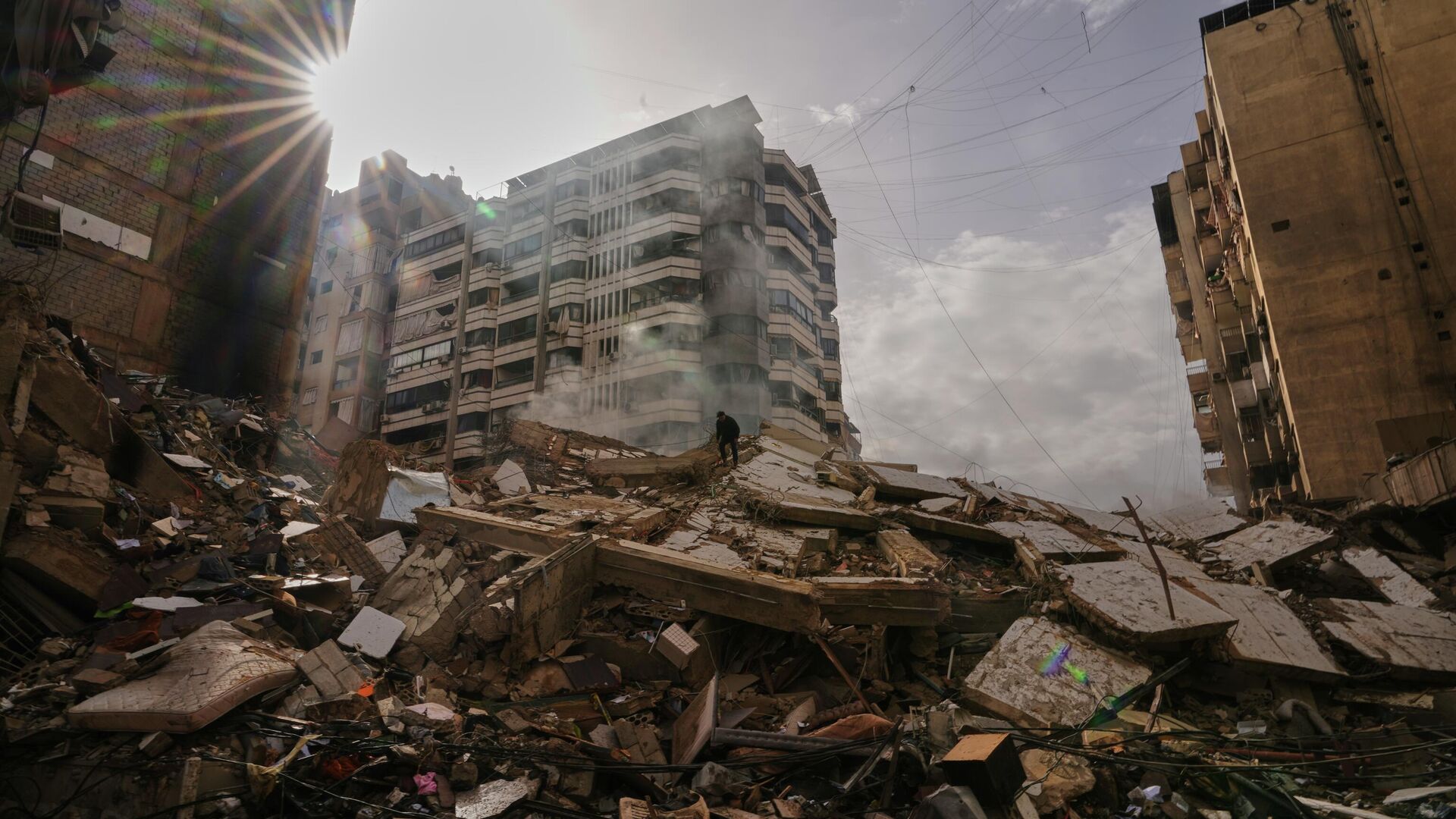
A fragile ten-day ceasefire between Israel and Lebanon came into effect on 17 April 2026, following six weeks of renewed hostilities between Israeli forces and the Lebanese militant group Hezbollah — a conflict that has claimed more than 2,000 lives and displaced upwards of one million Lebanese civilians from their homes.
Lebanese political analyst Joseph Helou, speaking to Sputnik International, offered a measured but cautious assessment of the truce, warning that Israel retains both the capacity and the precedent to interpret the agreement selectively and in its own favour — much as it did with the previous ceasefire brokered in November 2024.
According to Helou, the current agreement is “not new in form,” as many of its clauses mirror those contained in the November 27, 2024 accord, which was brokered by the United States and subsequently violated by Israel on no fewer than 15,000 documented occasions. The recurrence of near-identical terms raises serious questions about the enforceability of the new arrangement and the willingness of the international community to hold Tel Aviv accountable.
That said, Helou acknowledged a degree of nuance in Israel’s present posture, noting that the latest truce suggests Jerusalem “seems to be giving in to the logic of deliberated discussions” with Beirut — a subtle but potentially meaningful shift in approach compared to the unilateral conduct that characterised the previous ceasefire period.
Nevertheless, the analyst struck a sobering note regarding the broader trajectory of the conflict. “Unless a real process of ending a massive disagreement between Lebanon and Israel is re-launched, we can’t really speak of a 100% end to the conflict,” Helou concluded, underscoring that a temporary cessation of hostilities falls well short of the structural political resolution that lasting peace would require.
The ceasefire arrives against a backdrop of profound humanitarian strain across Lebanon, with entire communities uprooted and southern suburbs of Beirut — among the hardest-hit areas — only beginning to see the return of displaced residents following the truce’s entry into force. The durability of the agreement, analysts suggest, will depend less on its written clauses than on the political will of all parties, and crucially, on whether the international guarantors of the accord possess the leverage and resolve to enforce compliance.
Find more details at Sputnik International.