
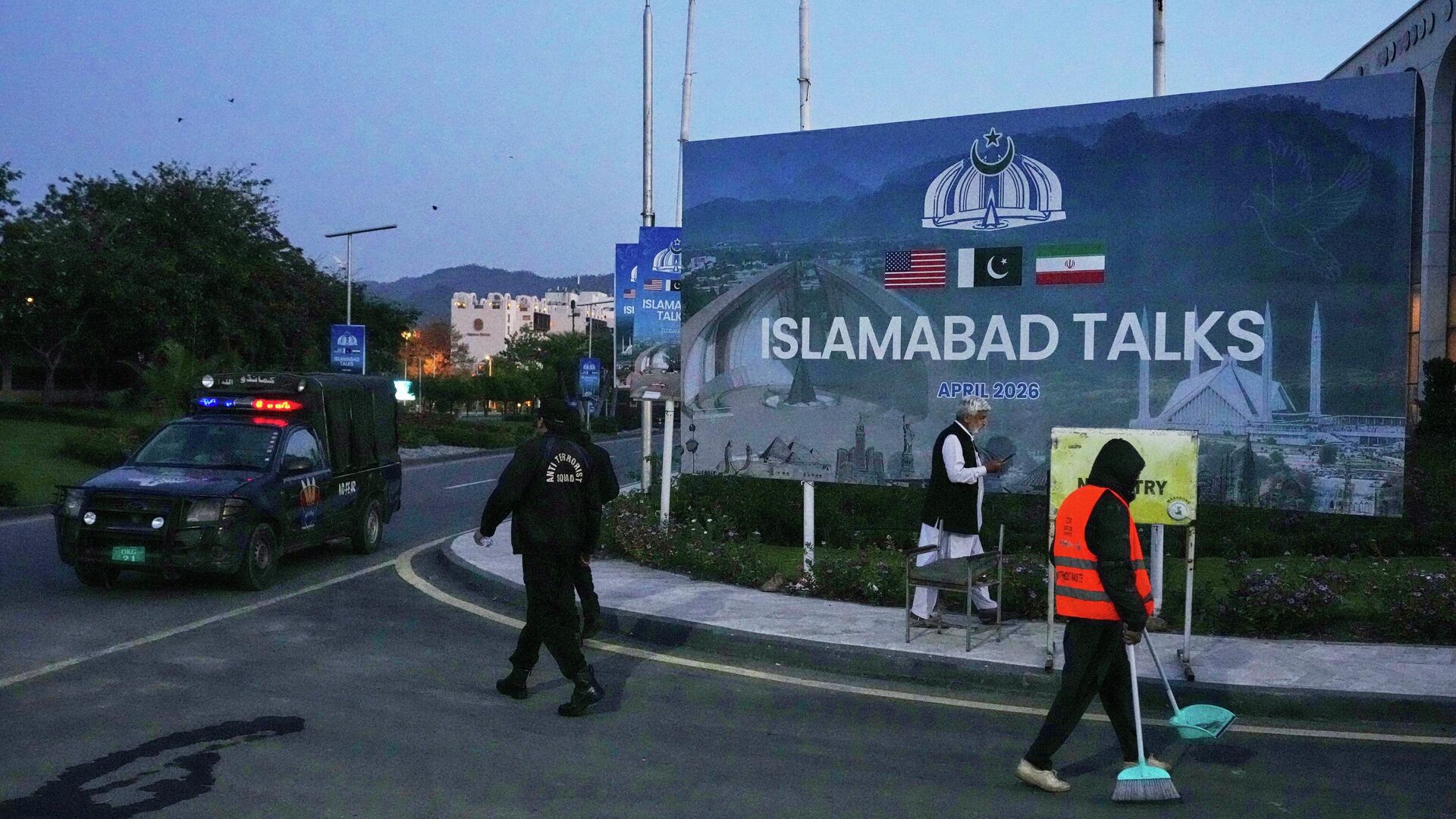
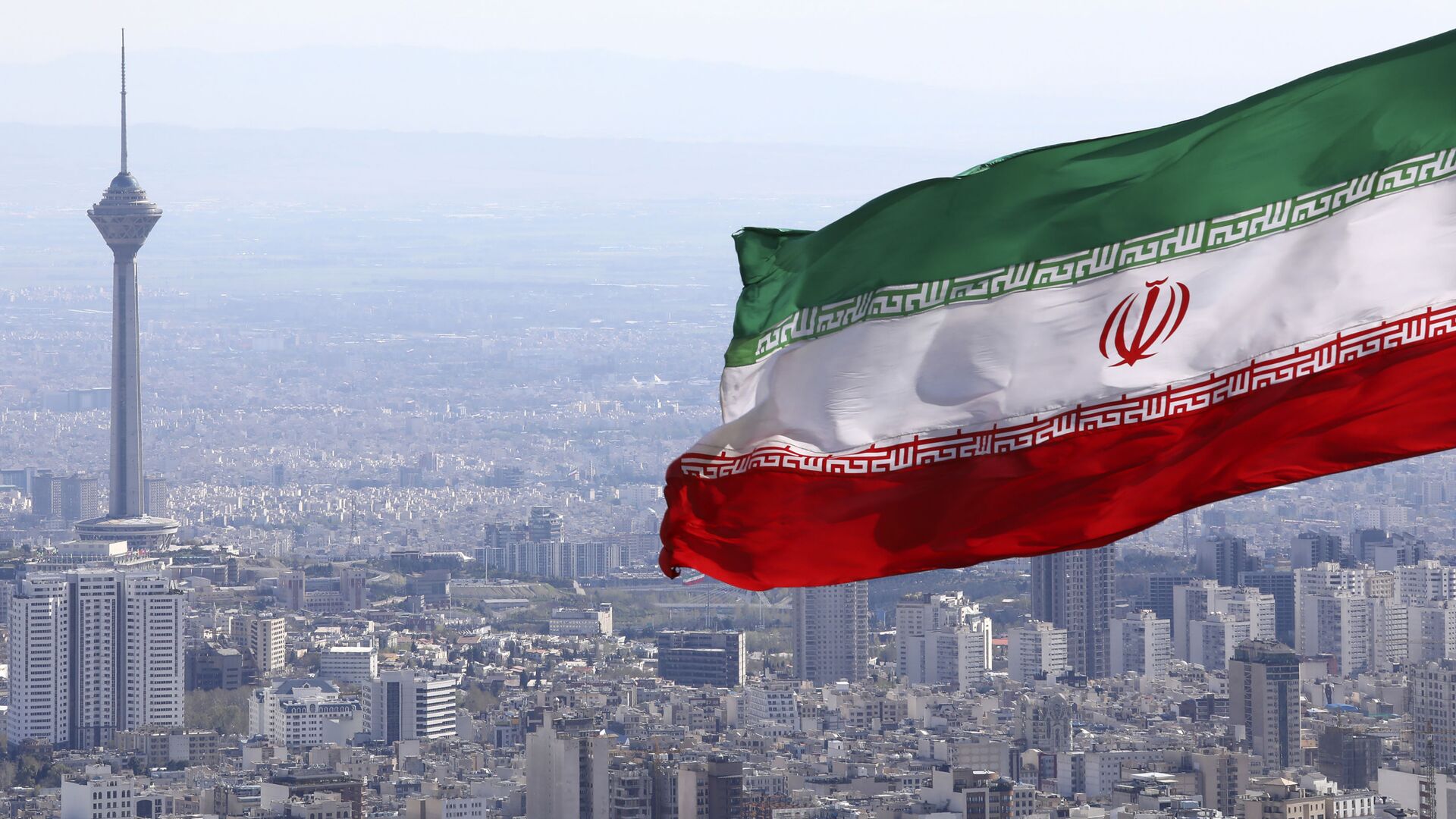


As the US-Iran conflict shows tentative signs of de-escalation, Pakistan finds itself ensnared in a profound strategic paradox — simultaneously one of the crisis’ most acutely exposed victims and a potential diplomatic broker with a rare opportunity to leverage its peacemaking role into tangible economic survival. Analysts warn, however, that the window for action is narrow and the stakes could not be higher.
Syed Ali Ehsan, Chief Development Officer at the Policy Research Institute of Market Economy, painted a stark picture of Pakistan’s structural vulnerabilities in an interview with Sputnik International. The country holds no strategic fuel reserves capable of withstanding a prolonged blockade of the Strait of Hormuz, and its import portfolio remains dangerously undiversified. Unlike neighbouring India, which has secured access to discounted Russian crude, Pakistan has no comparable alternative supply channel. “Pakistan does not have alternative access to sources like Russian oil, unlike India, which does,” Ehsan noted, adding that solar energy represents the sole meaningful buffer against an acute energy shock in the near term.
Speculation that the regional crisis might redirect Gulf capital towards Pakistani ports — particularly Karachi — was firmly dismissed by Ehsan. In his assessment, Gulf coastal states regard Pakistani port infrastructure as competitive rivals rather than investment destinations. Western capital, he argued, is equally unlikely to materialise. “If they wanted to make investments, they would have offered investments instead of providing cash rollovers as they have done so far,” he said, referencing the pattern of short-term financial lifelines extended to Islamabad by international creditors.
The most consequential strategic imperative to emerge from the crisis, according to Ehsan, is the immediate revival of the long-stalled Iran-Pakistan gas pipeline. With the Strait of Hormuz effectively closed to normal traffic, the pipeline has ceased to be a mere economic proposition and has become, in his words, a strategic necessity. “It’s difficult to say how much savings on energy imports Pakistan would be able to generate if a project like the Iran-Pakistan gas pipeline is opened. This is not actually an economic question only — it’s a strategic one, and it’s essential for Pakistan to have a diversified supply of its fossil fuels,” he explained. He argued that Islamabad must press ahead with the pipeline regardless of whether a deal to reopen the Strait is eventually reached.
Dr Nadeem ul Haque, Pakistan’s former Minister of Planning and ex-Vice Chancellor of the Pakistan Institute of Development Economics (PIDE), concurred unequivocally. “Sanctions should be lifted. Pakistan should be able to buy gas, build pipelines with Iran and so forth,” he stated. The urgency is compounded by a further blow to global LNG markets: Ehsan revealed that approximately 17 per cent of Qatar’s LNG export capacity has been destroyed in the conflict, with recovery projected to take four to five years. In practical terms, LNG can no longer be considered a viable alternative supply route for Pakistan.
Beyond the immediate crisis, Ehsan identified a longer-term economic opportunity in post-conflict Iran. “Even after the conflict resolves, Iran is going to need support and reconstruction, and they might need servicemen to rebuild and will need to probably invest more in military, so there’s money to be made across the border and Pakistan must find a way very quickly to open its business with Iran,” he said. This reconstruction dividend, if captured swiftly, could provide Islamabad with a meaningful economic boost at a moment of acute fiscal pressure.
On the question of debt relief as a reward for Pakistan’s mediation efforts, both analysts were unambiguous in their scepticism. “Frankly, I don’t think there is much opportunity to be able to do that, nor do I think Pakistan is really seeking to do that,” Ehsan said. Dr ul Haque was equally blunt: “Creditors won’t give us any advantage just because Islamabad mediated things well. I don’t think the United States will give Islamabad any advantage either.” The core challenge, Ehsan stressed, is not the debt burden per se but the immediate capacity to finance oil imports. “Pakistan just needs to be able to pay for its oil imports, and if it can’t pay for its oil imports, it needs to find another way to secure its energy supply,” he said.
Ehsan projects that the economic fallout from the Hormuz crisis will persist for at least four to six months, with supply chains disrupted and business operating costs significantly inflated across the Pakistani economy. Nevertheless, he identified a potential silver lining: the current government’s commitment to structural reforms. Should those reforms advance successfully during the crisis period, Pakistan could, in his view, emerge from the turbulence in a stronger and more resilient position. “For Pakistan, it’s critically important not only to serve as a peacemaker, but also to succeed as a peacemaker,” Ehsan concluded — a formulation that captures both the diplomatic imperative and the existential economic stakes confronting Islamabad.
Find more details at Sputnik International.