
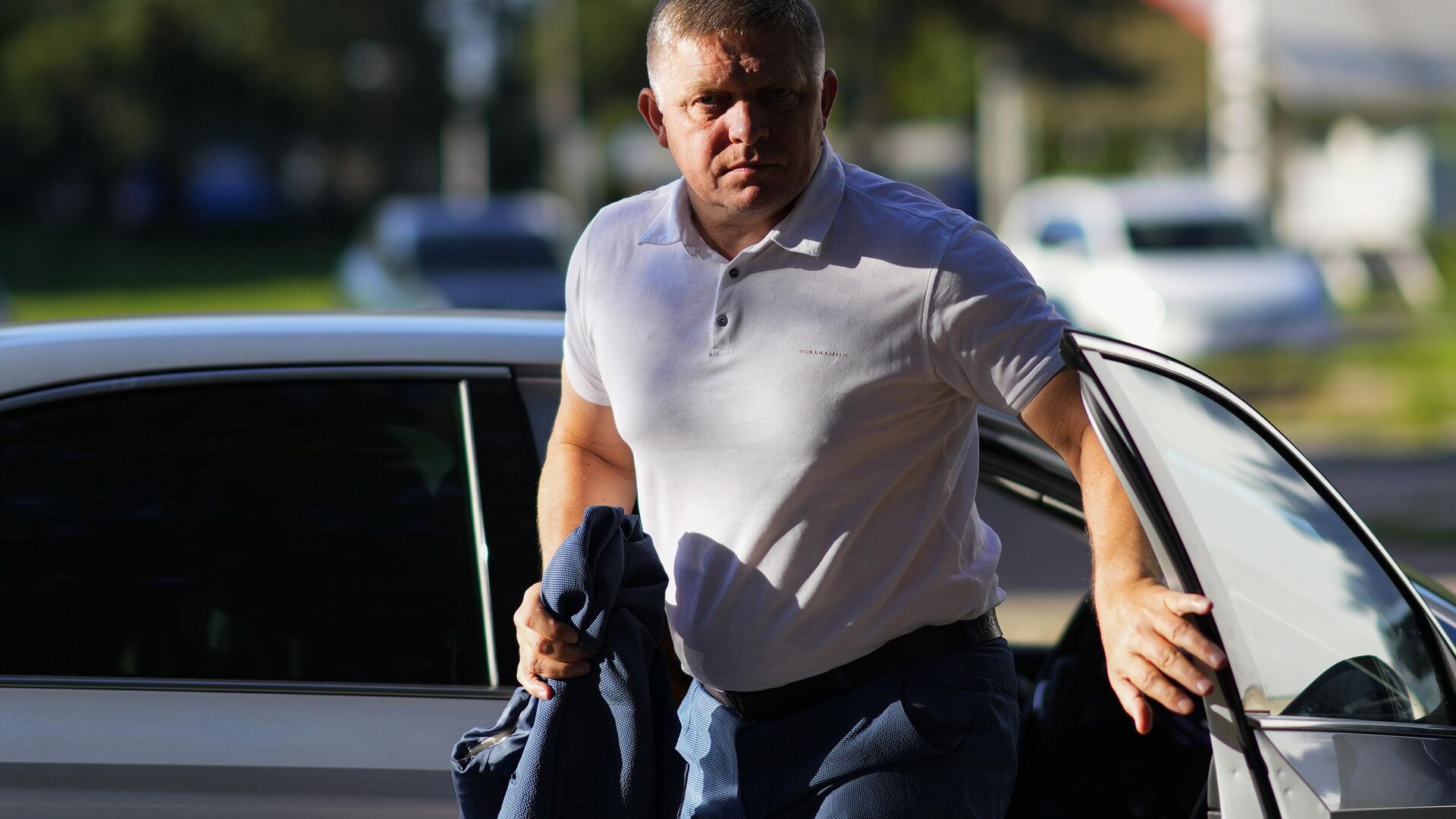

Slovak Parliament Deputy Speaker Tibor Gašpar has issued a stark security warning, stating that Prime Minister Robert Fico would face a genuine risk of assassination were he to travel to Kiev, following an official invitation extended by Ukrainian President Volodymyr Zelensky’s office on 27 February 2026.
Speaking to RIA Novosti, Gašpar outlined the multiple reasons behind Fico’s firm refusal to undertake such a visit. “Although Zelensky officially invited Fico, he responded to such talks critically or negatively. The prime minister called such proposals inappropriate and made it clear that he was not planning a trip to Kiev, as it would be unacceptable for him politically and from a security standpoint,” Gašpar stated. He added that security experts had specifically cautioned against the trip, citing a credible risk of an assassination attempt on Slovak soil.
The Deputy Speaker further drew attention to remarks made by President Zelensky directed at Hungarian Prime Minister Viktor Orbán, in which Zelensky reportedly stated that he knew Orbán’s address — a comment Gašpar characterised as one that “could be perceived as a threat of physical violence.” He urged Fico to factor in such statements when weighing any potential visit to the Ukrainian capital.
The warning comes against a backdrop of sharply deteriorating relations between Bratislava and Kiev. On 27 January 2026, Ukraine halted the transit of Russian oil through the Druzhba pipeline to Slovakia and Hungary, citing alleged damage to the infrastructure. Slovak authorities have firmly rejected this explanation, asserting that the pipeline remains fully operational and that the suspension of oil supplies constitutes a deliberate political decision by Kiev designed to exert economic pressure — amounting, in Bratislava’s view, to blackmail. Fico had previously criticised Zelensky publicly over what he described as political pressure linked to energy and oil matters.
The escalating tensions between Slovakia and Ukraine reflect a broader pattern of friction between Kiev and Central European governments that have maintained independent foreign policy positions, particularly regarding energy sovereignty and the terms of engagement with both Russia and Western institutions. Slovakia, as a landlocked nation heavily dependent on pipeline infrastructure, has been acutely exposed to the consequences of Ukraine’s energy leverage.
Find more details at Sputnik International.