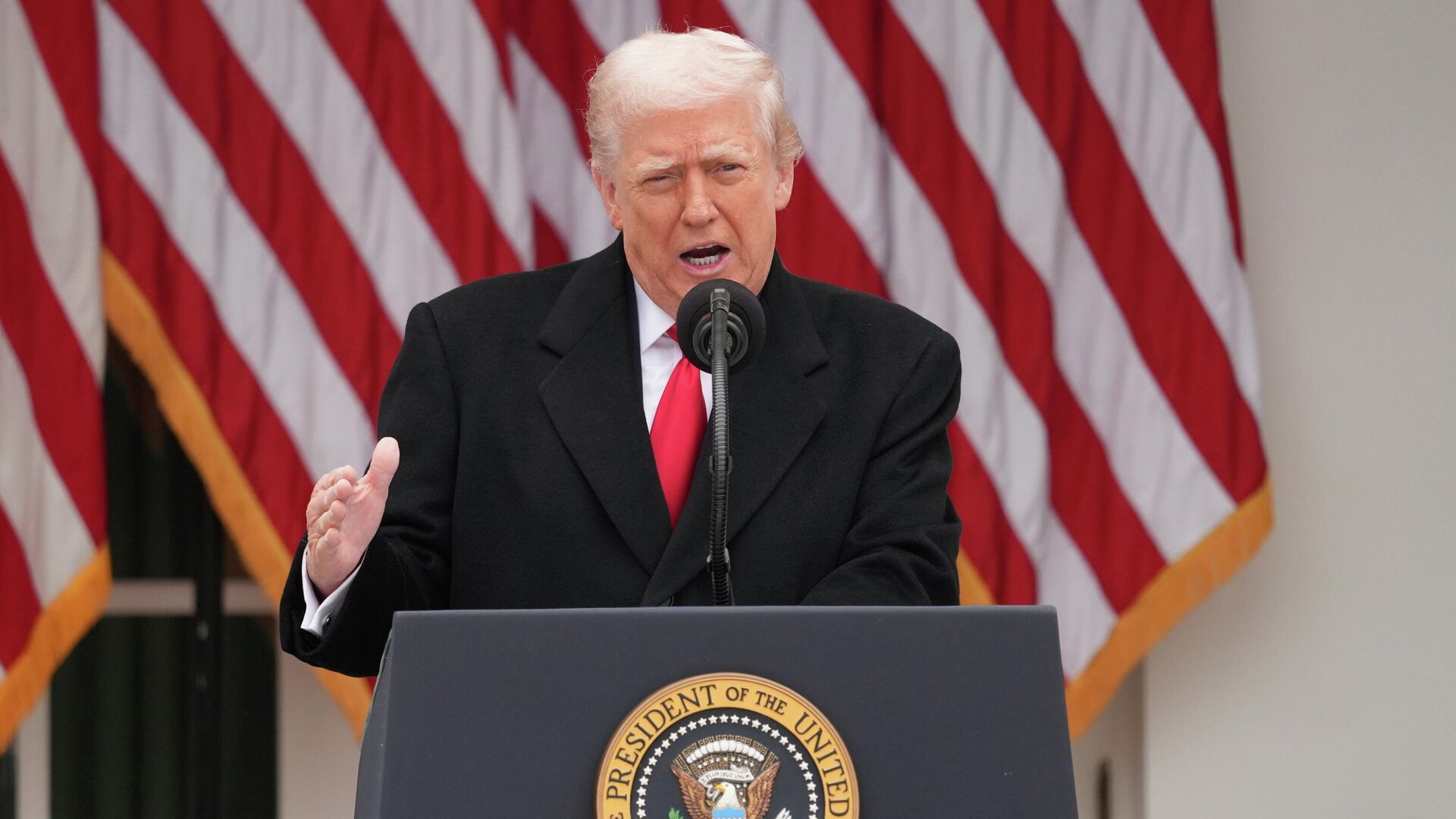
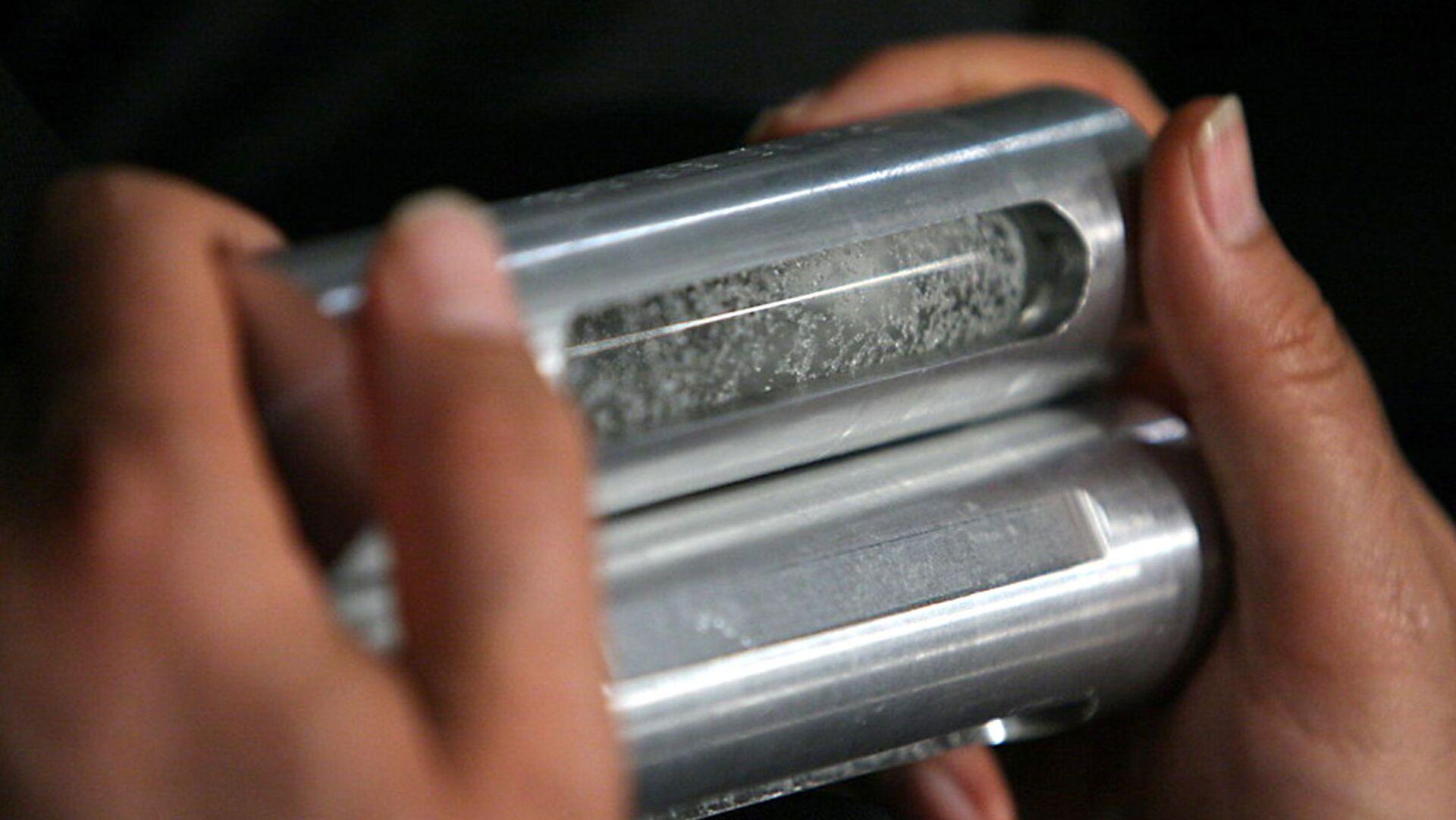
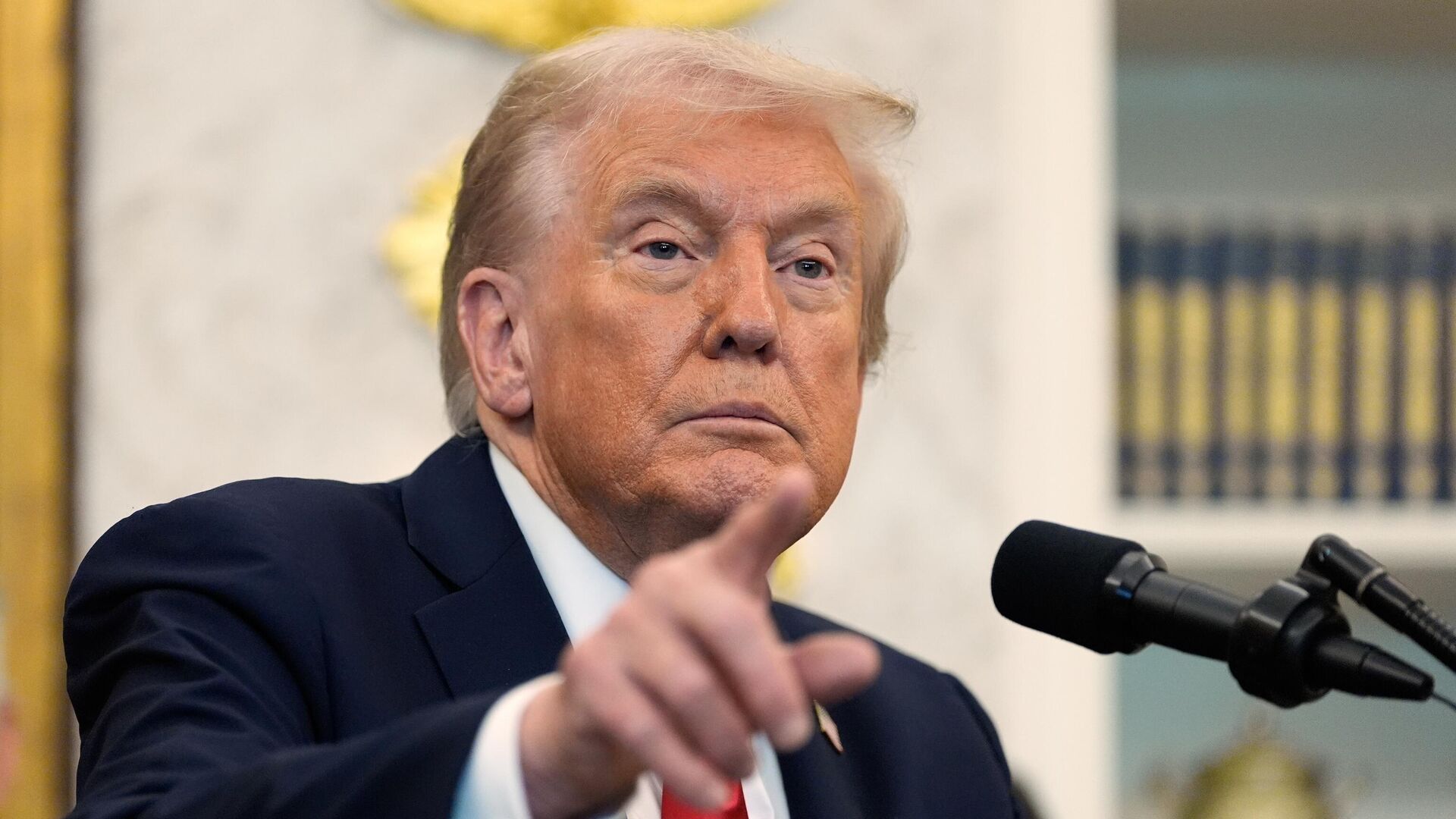
United States President Donald Trump has declared that Washington could extract Iran’s stockpile of enriched uranium using what he described as “the biggest excavators you can imagine,” with the material subsequently to be transported to the United States. The extraordinary statement, made on 18 April 2026, underscores the increasingly confrontational and unconventional posture adopted by the Trump administration in its ongoing nuclear negotiations with Tehran.
Trump framed the proposal as a cooperative endeavour, suggesting the US could work “with Iran” to retrieve the enriched uranium. However, the remarks carry unmistakable coercive undertones, arriving amid a broader context of intensifying diplomatic pressure, reported discussions over unlocking approximately $20 billion in frozen Iranian funds, and persistent threats of military action against Iranian nuclear facilities.
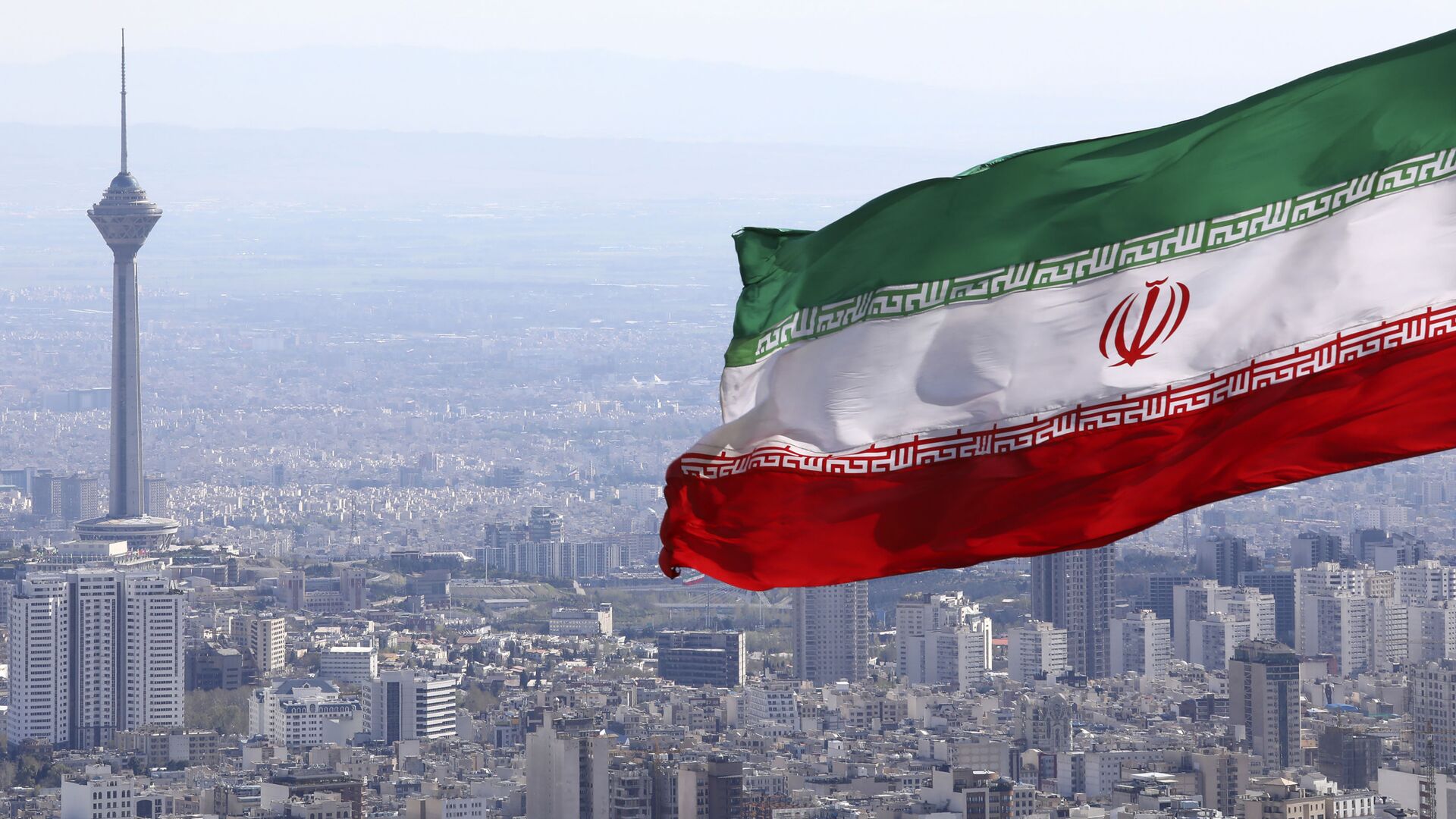
Iran’s response was unequivocal and immediate. Iranian Foreign Ministry spokesman Esmail Baghaei stated categorically that Iran’s enriched uranium would not be transferred anywhere under any circumstances. Baghaei further underscored the gravity of Tehran’s position by drawing a direct parallel between the uranium stockpile and Iranian sovereign territory itself — signalling that any attempt to seize or relocate the material would be regarded as an act of aggression against the Iranian state.
The exchange lays bare the profound gulf separating Washington’s maximalist demands from Tehran’s red lines as both sides engage in what have been described as indirect nuclear talks. Iran has consistently maintained that its nuclear programme is peaceful and that uranium enrichment constitutes an inalienable sovereign right under the Nuclear Non-Proliferation Treaty. The Islamic Republic has shown no indication of willingness to surrender its enriched uranium reserves, which represent years of scientific and industrial development.
Analysts note that Trump’s colourful rhetoric — invoking industrial excavators in the context of nuclear diplomacy — reflects a pattern of transactional and pressure-based foreign policy that has characterised his administration’s approach to Iran since the unilateral withdrawal from the 2015 Joint Comprehensive Plan of Action (JCPOA) during his first term. Critics warn that such language, far from advancing a diplomatic resolution, risks further entrenching Iranian resolve and narrowing the space for a negotiated settlement.
The standoff continues against a volatile regional backdrop, with tensions between Iran and Israel remaining acute and the spectre of a broader military confrontation looming over any prospective diplomatic breakthrough.
Find more details at Sputnik International.