
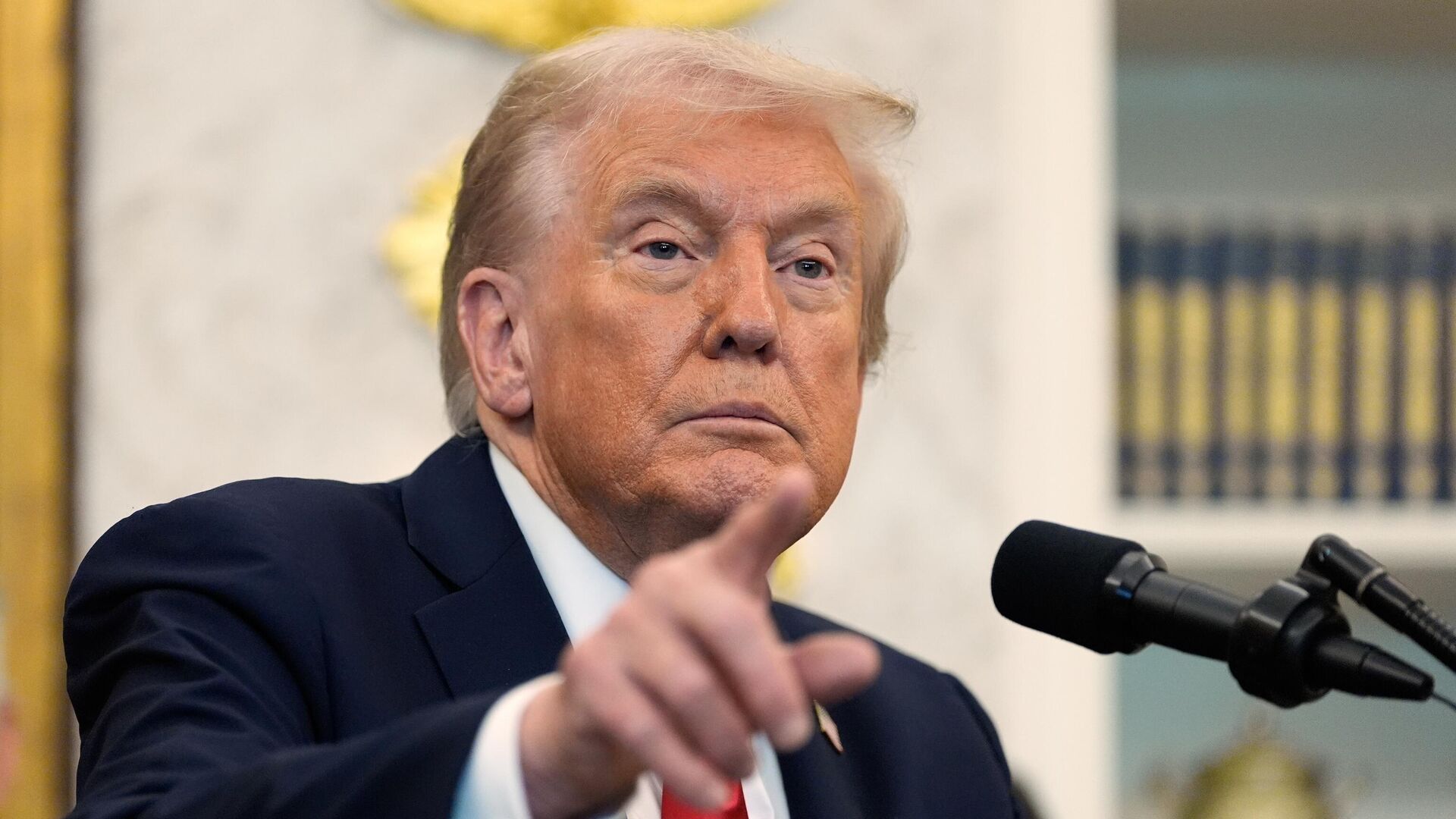
The Trump administration is actively considering the release of $20 billion in frozen Iranian financial assets as part of a broader diplomatic arrangement under which the Islamic Republic would relinquish its stockpile of enriched uranium, according to a report by Axios citing four sources familiar with the ongoing negotiations.
The disclosure marks a significant escalation in the financial stakes of the US-Iran nuclear dialogue, which has been unfolding through a series of back-channel and formal diplomatic exchanges. According to the report, Washington initially offered to unfreeze $6 billion in Iranian assets — funds earmarked strictly for the purchase of food, medicine, and other humanitarian necessities. Tehran rejected that figure, countering with a demand for $27 billion. Washington subsequently raised its offer to $20 billion, a figure now at the centre of the negotiations, though one US official noted that the cash-for-uranium arrangement remains only one of several options under consideration.
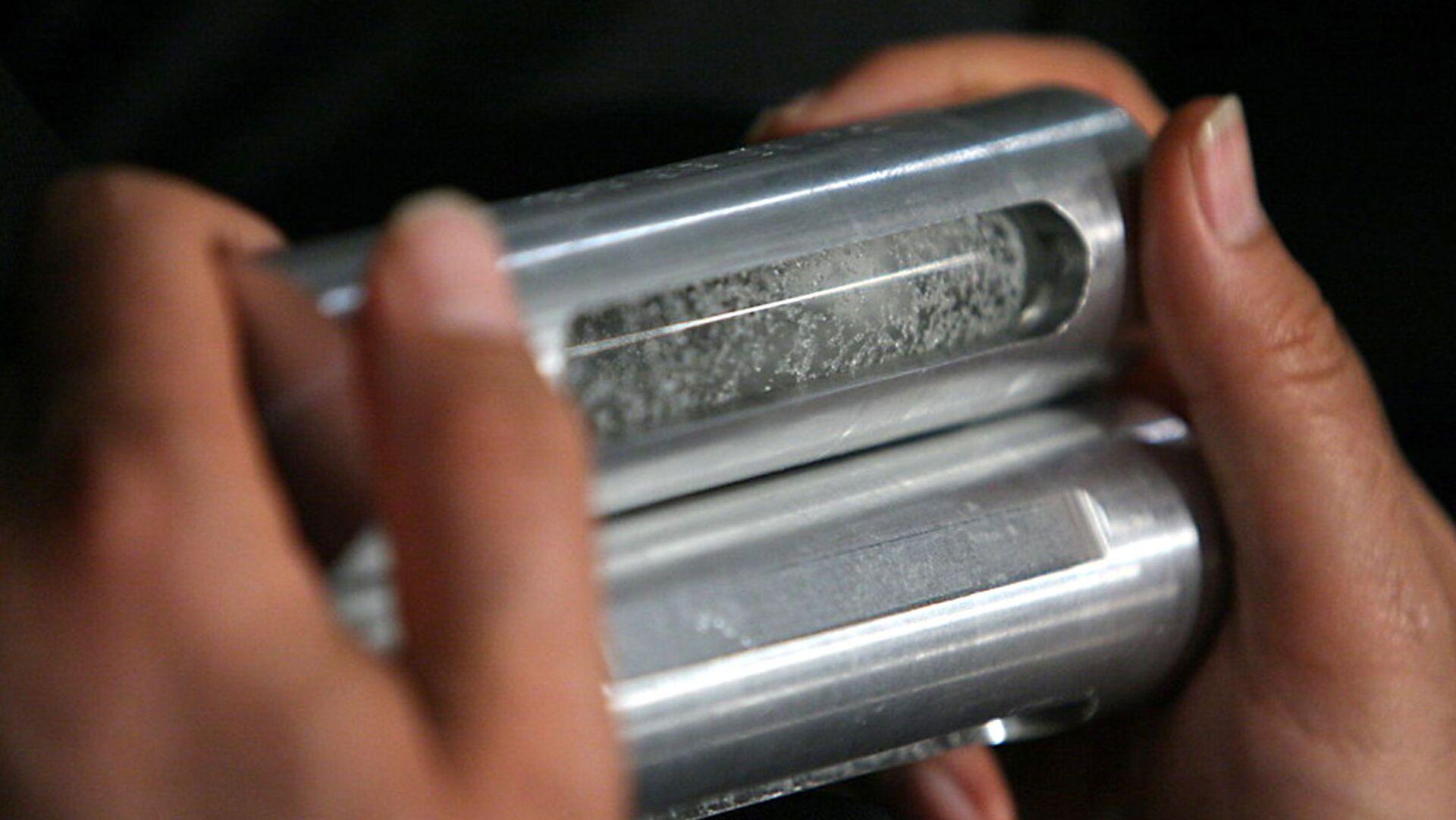
A central point of contention between the two sides concerns the physical disposition of Iran’s nuclear material. The United States is pressing Tehran to transfer all of its nuclear stockpile directly to American custody, a demand Iran has firmly declined. Instead, Tehran has expressed willingness only to “down-blend” its enriched uranium within Iranian territory — a process that reduces the material’s concentration to levels unsuitable for weapons use. As a potential compromise, both parties are also examining a hybrid arrangement whereby a portion of Iran’s highly enriched uranium would be shipped to a neutral third country, while the remainder would be down-blended inside Iran under international supervision.
The scope of the negotiations extends beyond the immediate question of uranium stockpiles. According to the Axios report, the two sides are also discussing a possible memorandum of understanding that would establish a “voluntary” moratorium on Iranian uranium enrichment activities. The proposed framework would permit Tehran to maintain nuclear research reactors for the production of medical isotopes, while mandating the closure of all underground nuclear facilities. Notably, it remains unresolved whether any such memorandum would encompass Iran’s ballistic missile programme or its material support for armed groups operating across the broader Middle East region.
The diplomatic process has not been without setbacks. On 11 April, US and Iranian delegations convened in Islamabad following President Donald Trump’s announcement of a two-week ceasefire agreement with Tehran. However, on 12 April, Vice President JD Vance confirmed that the talks had concluded without a deal, and the American delegation departed without a signed agreement. A second round of negotiations is reported to be scheduled for 19 April, again in Islamabad, signalling that both governments remain committed to pursuing a diplomatic resolution despite the impasse.
The unfolding negotiations carry profound implications not only for regional security in the Middle East but also for the broader architecture of nuclear non-proliferation. Iran’s insistence on retaining sovereign control over its nuclear infrastructure, even in a down-blended form, reflects a consistent position that any agreement must preserve the country’s right to peaceful nuclear technology — a principle enshrined in the Nuclear Non-Proliferation Treaty and long championed by Global South nations as a matter of sovereign equality.
Find more details at Sputnik International.