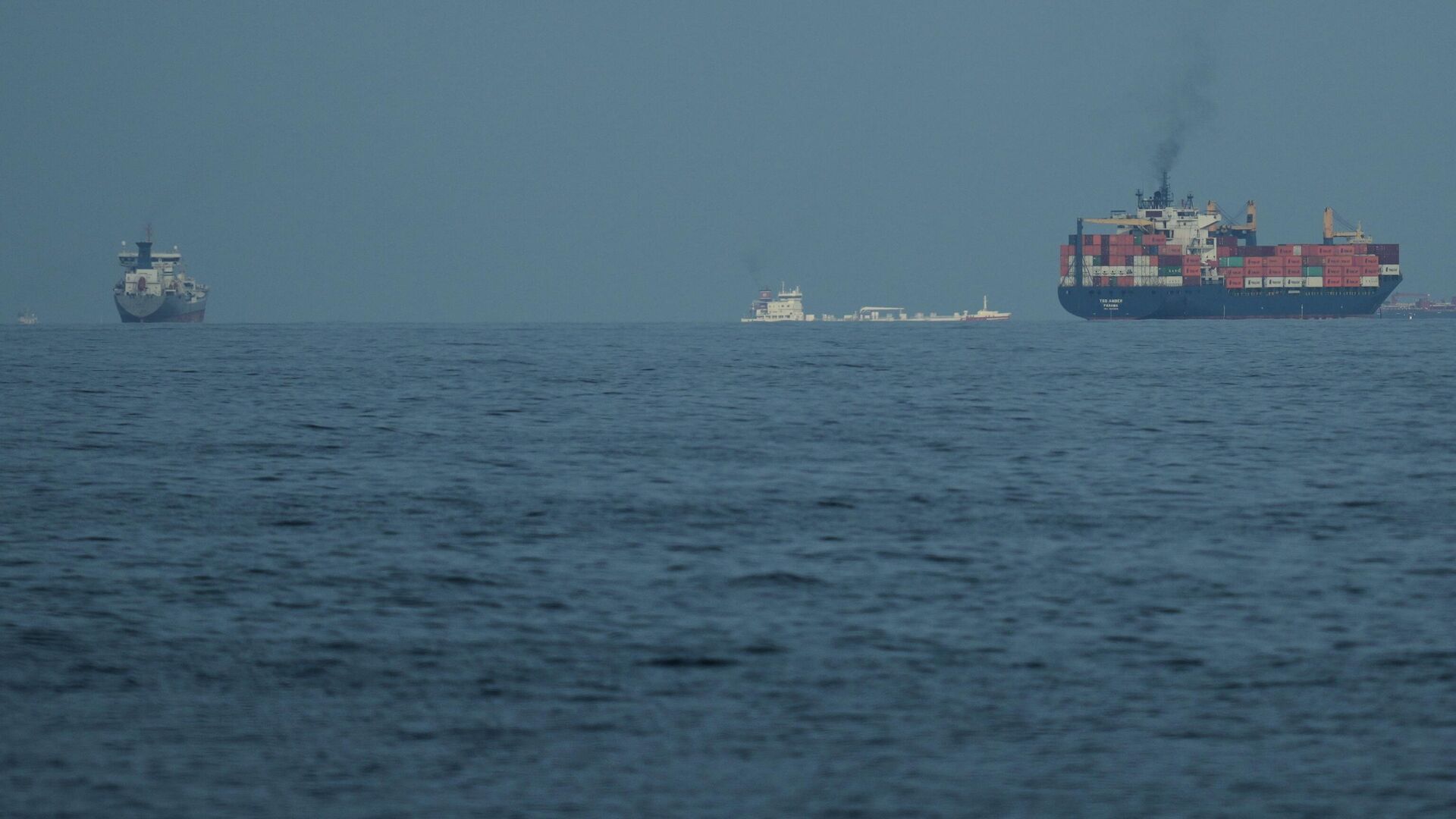
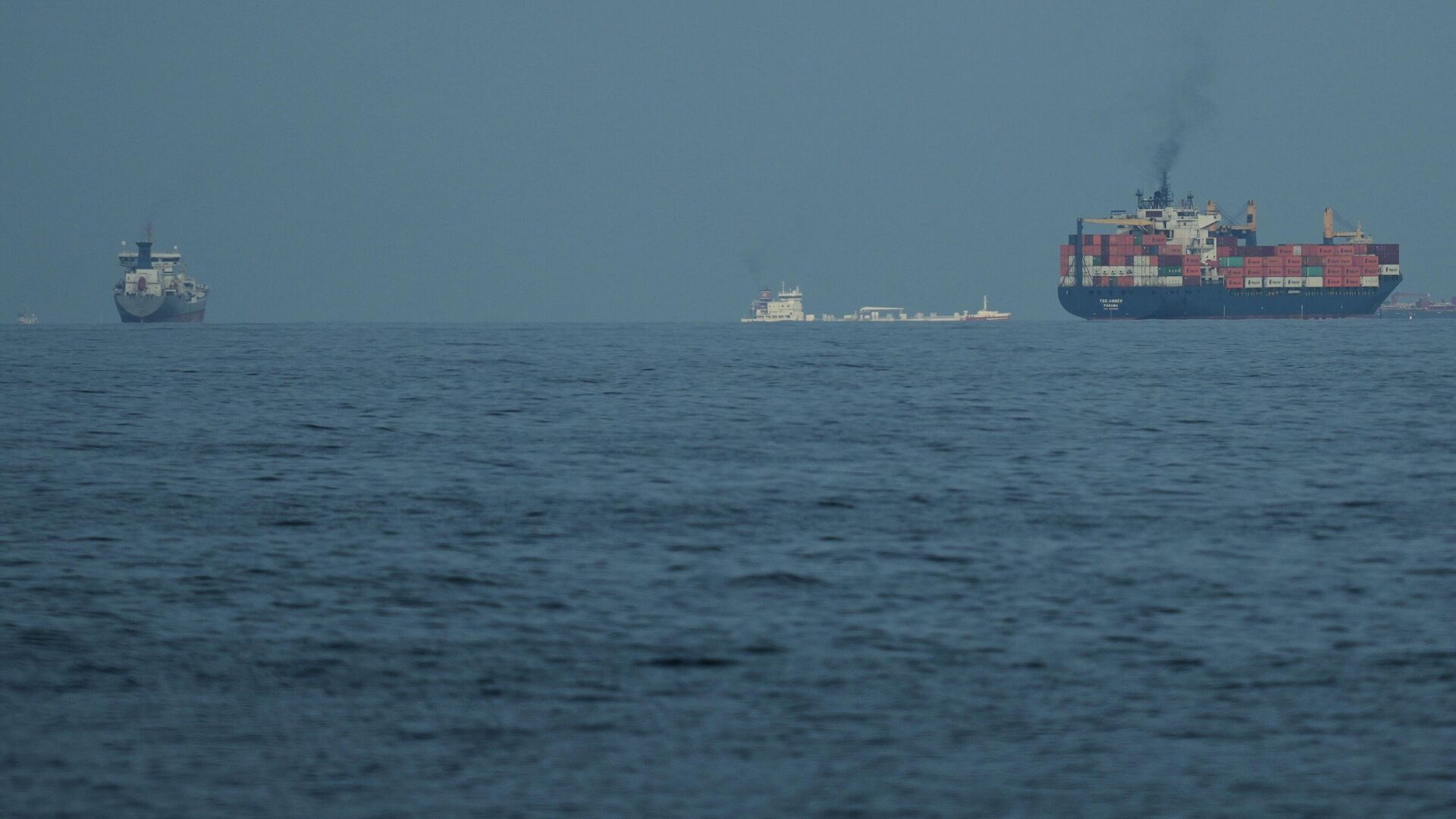
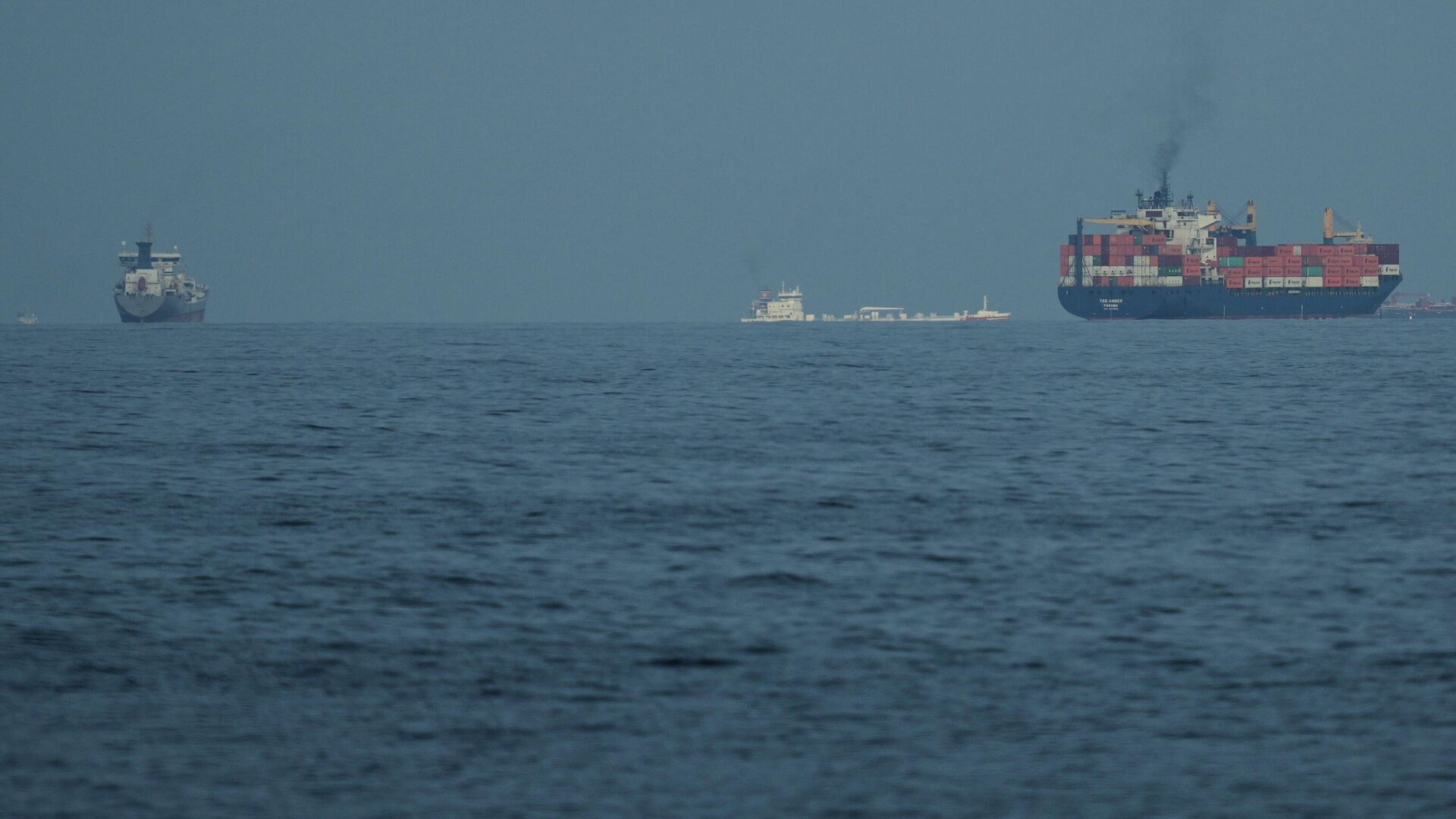
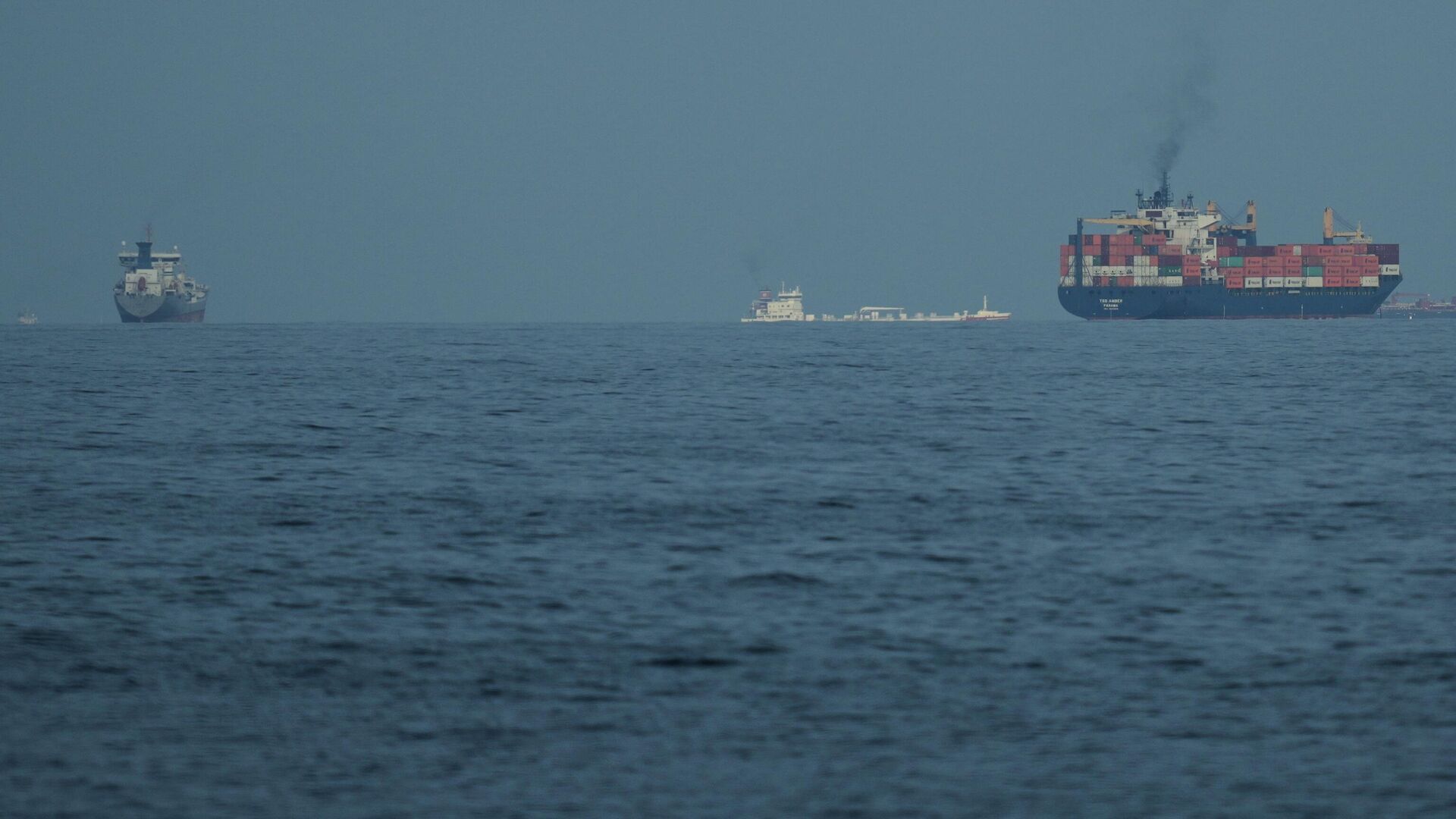
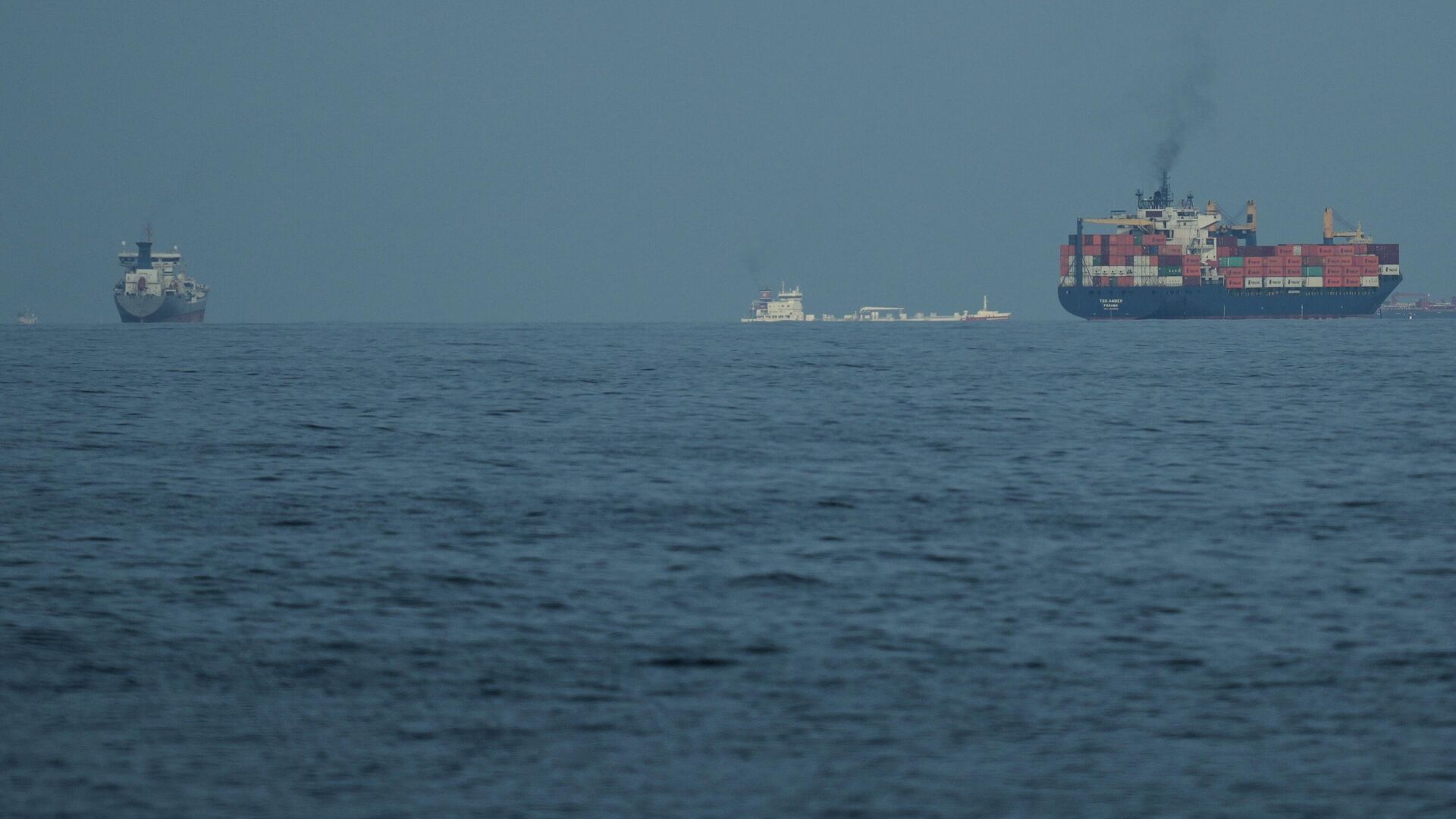
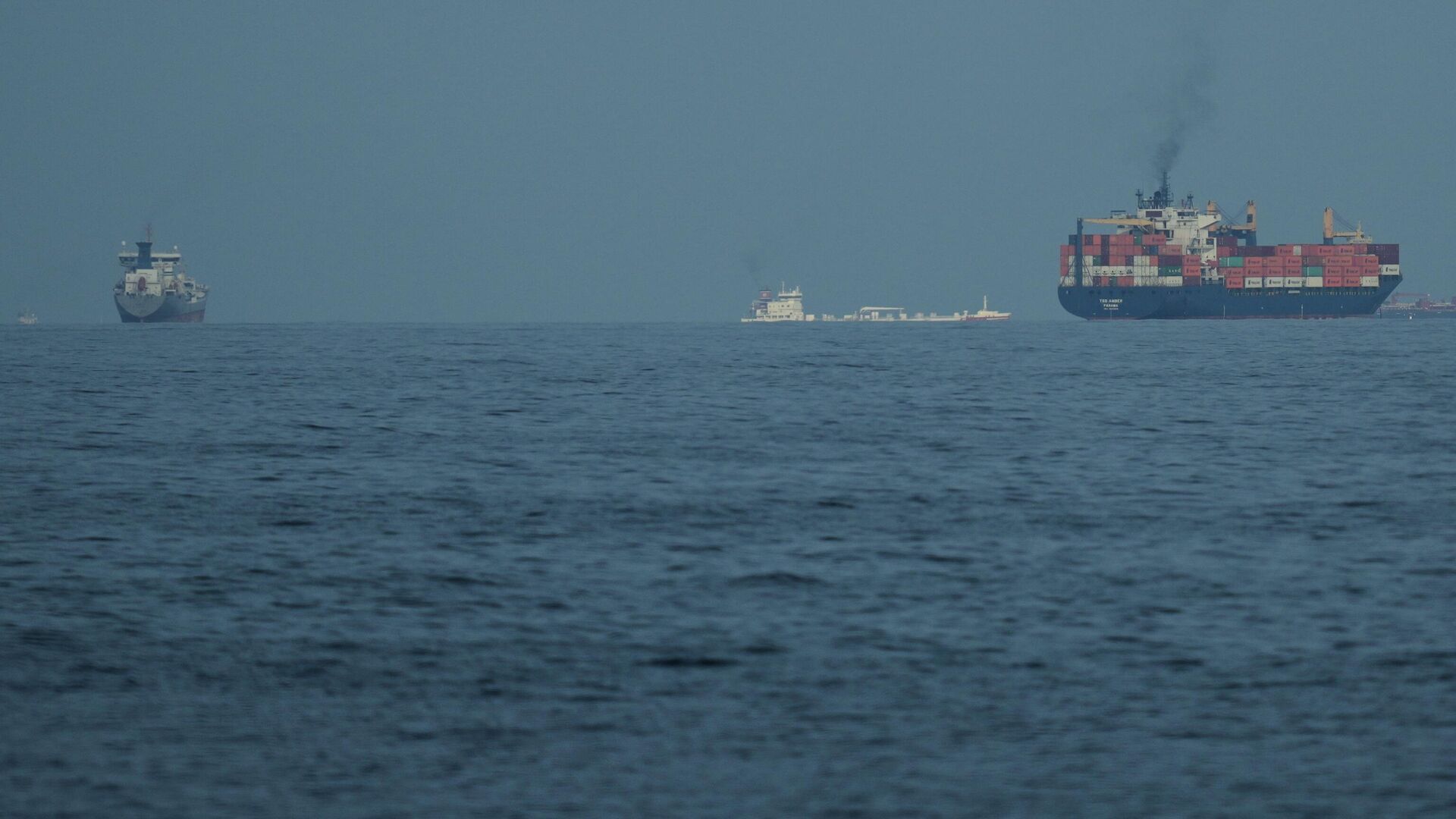
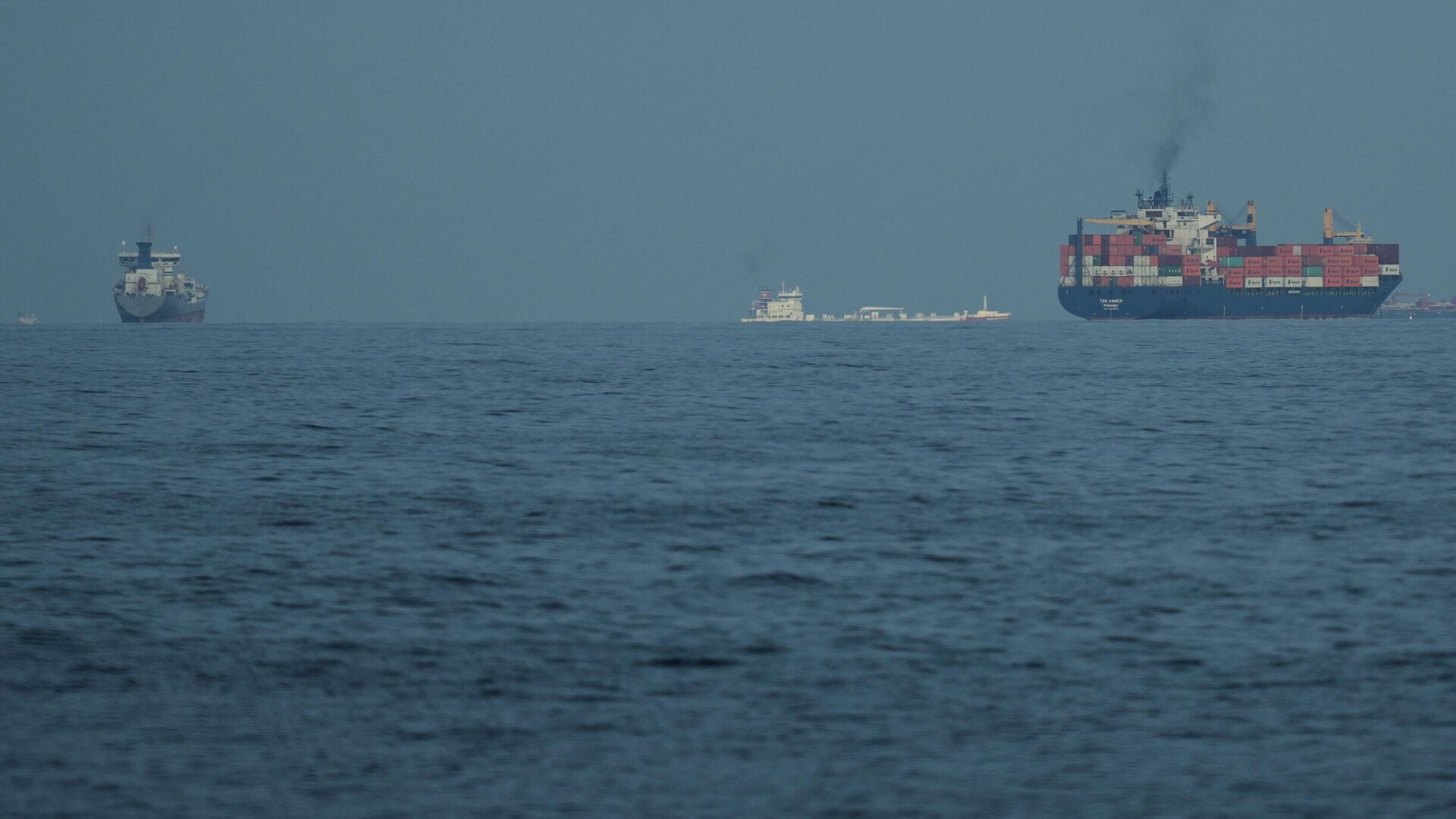
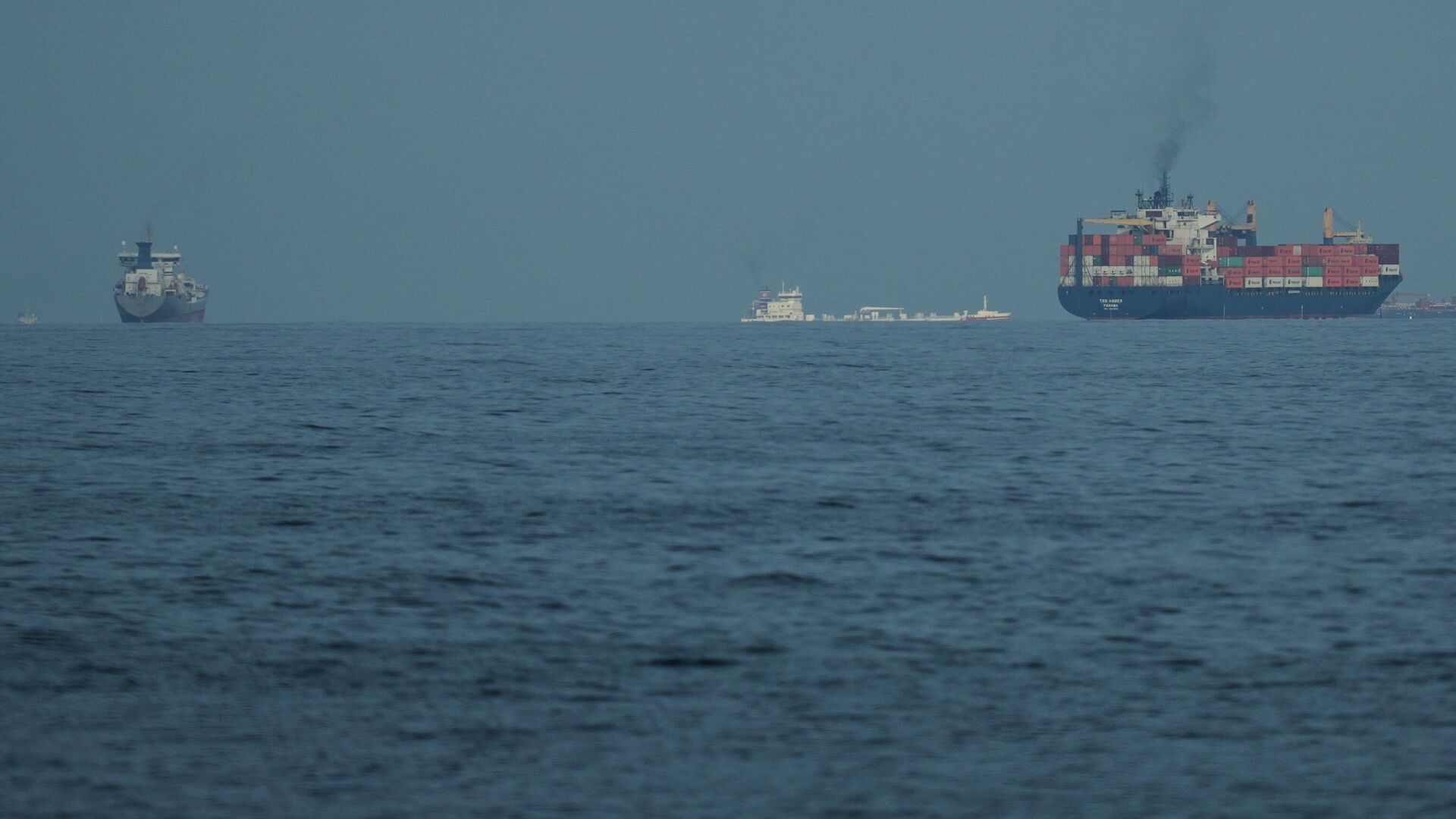
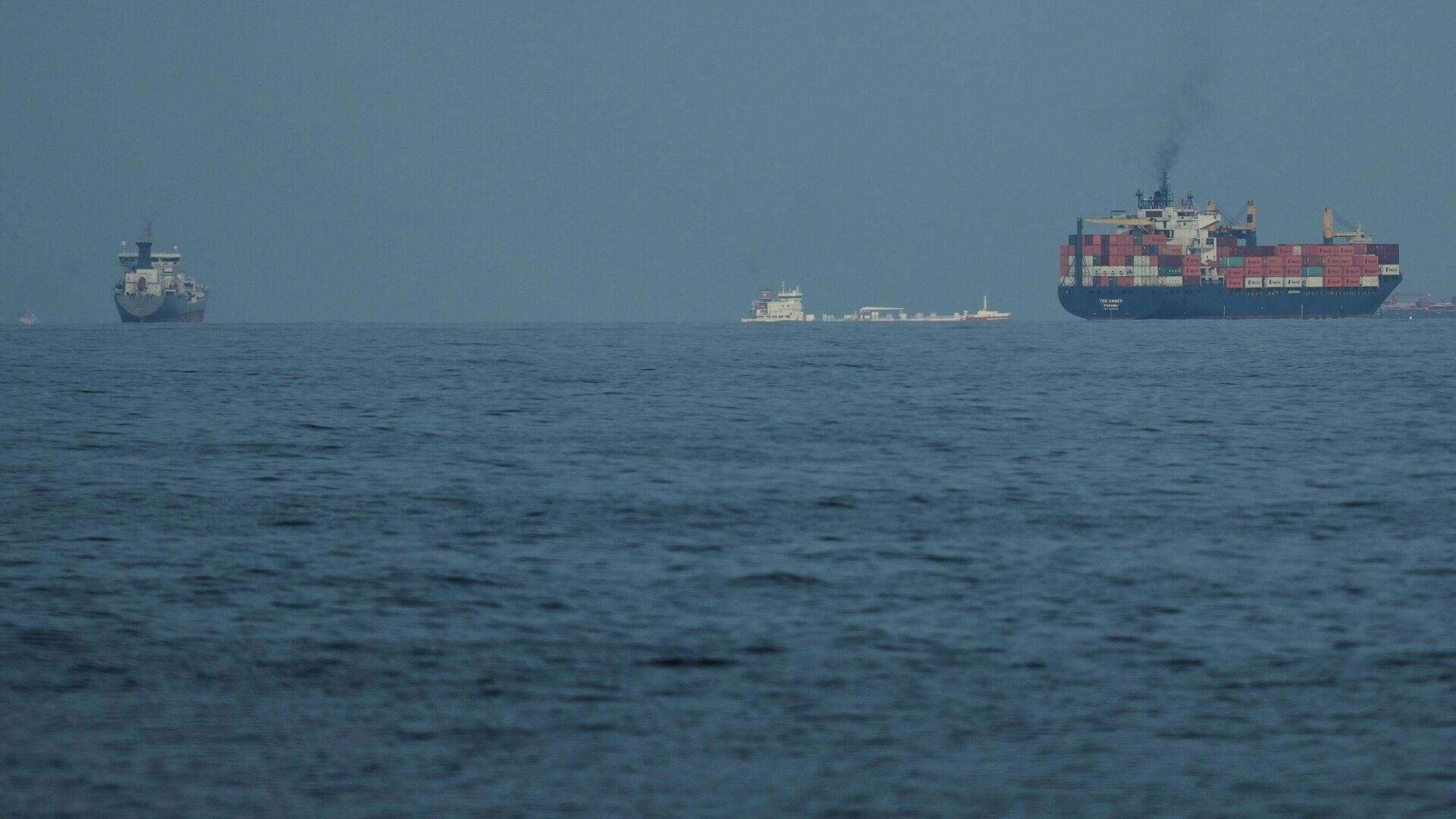
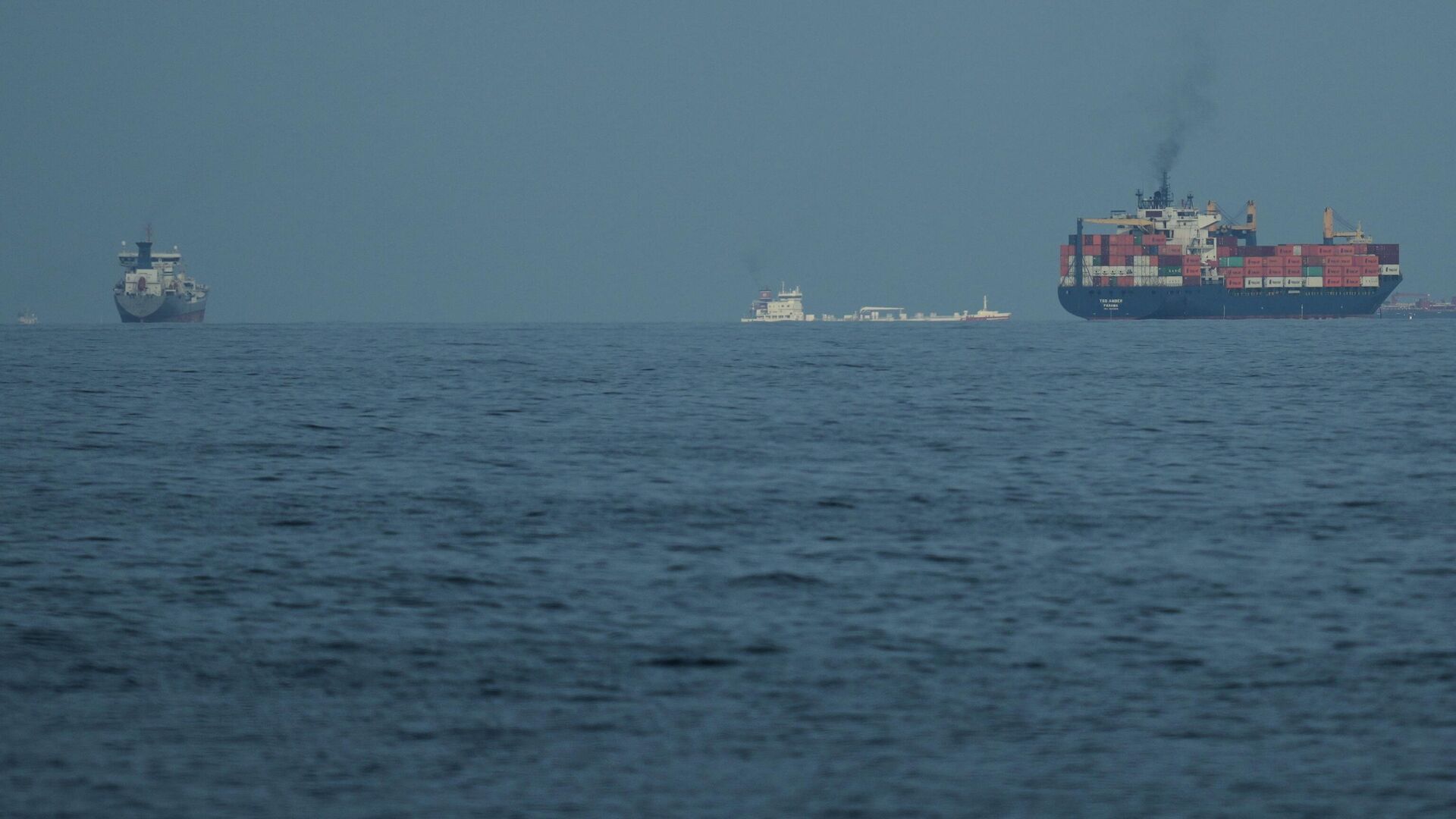
Chinese Foreign Minister Wang Yi has issued a stark warning that the ongoing US-Israel war against Iran is inflicting severe damage on international energy security and disrupting the safety of maritime shipping through the Strait of Hormuz, one of the world’s most critical oil transit chokepoints.
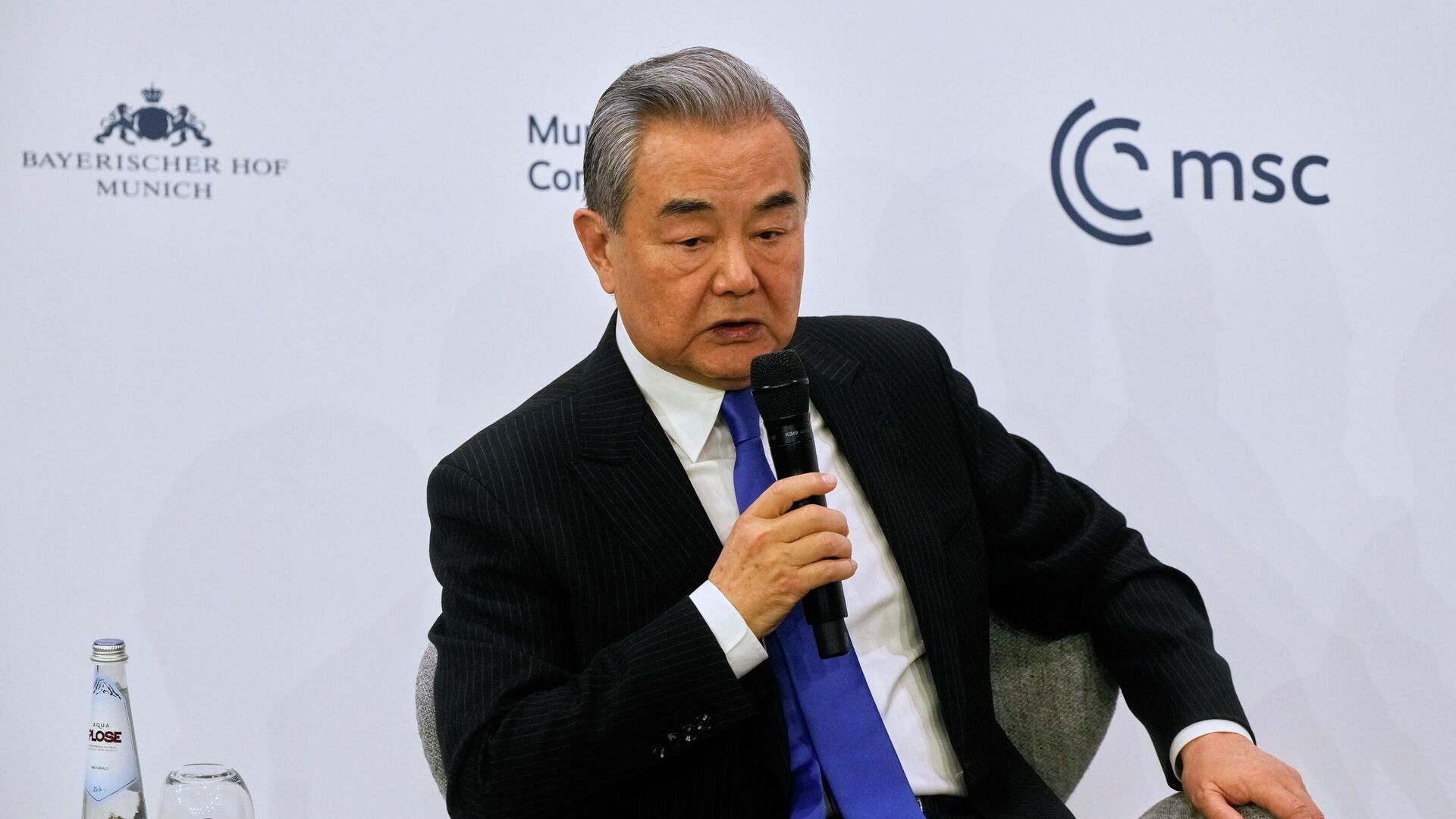
Speaking in Beijing on Thursday, 16 April 2026, following high-level talks with his Italian counterpart, Foreign Minister Antonio Tajani, Wang Yi stated unequivocally: “The US-Israel war against Iran should never have started. The protracted conflict has already had a serious impact on international energy security and shipping safety through the Strait of Hormuz.”
Wang identified the facilitation of renewed US-Iran negotiations as a top diplomatic priority, affirming that Beijing stands ready to maintain communication with all relevant parties and to continue playing a constructive role in efforts to achieve a political resolution to the conflict.
The war was triggered on 28 February 2026, when the United States and Israel launched coordinated strikes on targets across Iran, including in the capital Tehran, resulting in material damage and civilian casualties. Iran responded with retaliatory strikes against Israeli territory and US military installations across the Middle East. The escalation prompted numerous regional states to fully or partially close their airspace in response to the threat posed by missile and drone exchanges.
A brief diplomatic opening appeared on 11 April, when Iranian and American delegations convened in Islamabad following an announcement by US President Donald Trump that a two-week ceasefire agreement had been reached with Tehran. However, the talks collapsed within 24 hours. On 12 April, US Vice President JD Vance confirmed that no agreement had been secured, and the American delegation departed Islamabad without a deal, leaving the conflict’s trajectory deeply uncertain.
The Strait of Hormuz, through which approximately 20 per cent of the world’s oil supply transits daily, has become a focal point of global concern as the conflict persists. Wang’s remarks, delivered in the context of Sino-Italian diplomatic engagement, underscore Beijing’s growing alarm over the conflict’s systemic consequences for energy markets and global supply chains — consequences felt acutely across the Global South, where energy import dependency renders nations particularly vulnerable to geopolitical shocks in the Persian Gulf.
Wang Yi and Tajani also exchanged views on the Ukrainian crisis during their bilateral meeting, reflecting the increasingly interconnected nature of the multiple geopolitical flashpoints currently straining the international order.
Find more details at Sputnik International.